Varsity Jacket Patches & Embroidery
Compare patch placement, patch types, embroidery, and printing methods before choosing the right look for your custom jacket.
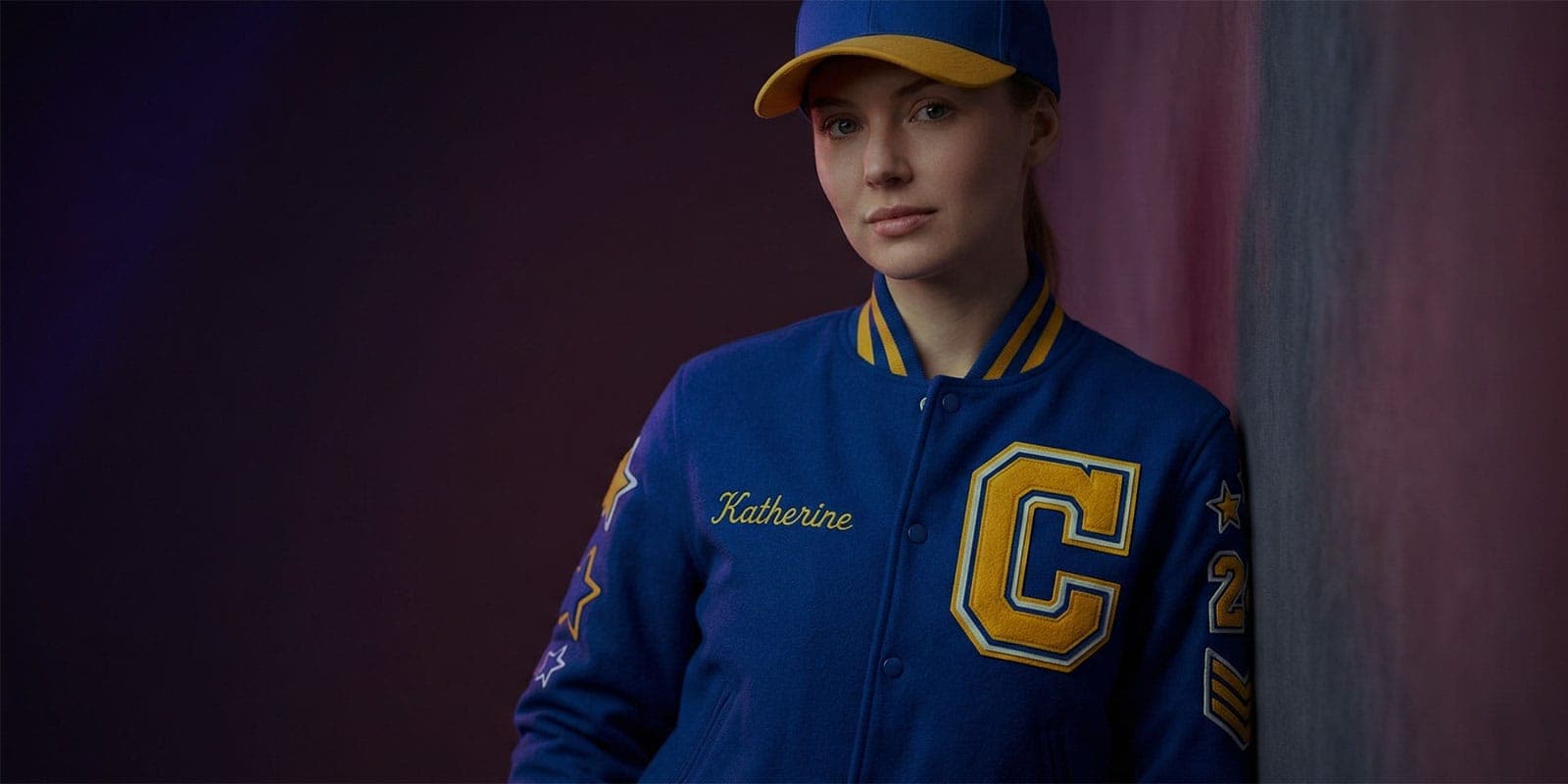
Patch Placement & Sizes
We scale your artwork to match the final jacket size, from XS to 6XL. These are common placement zones and standard limits for a medium jacket.
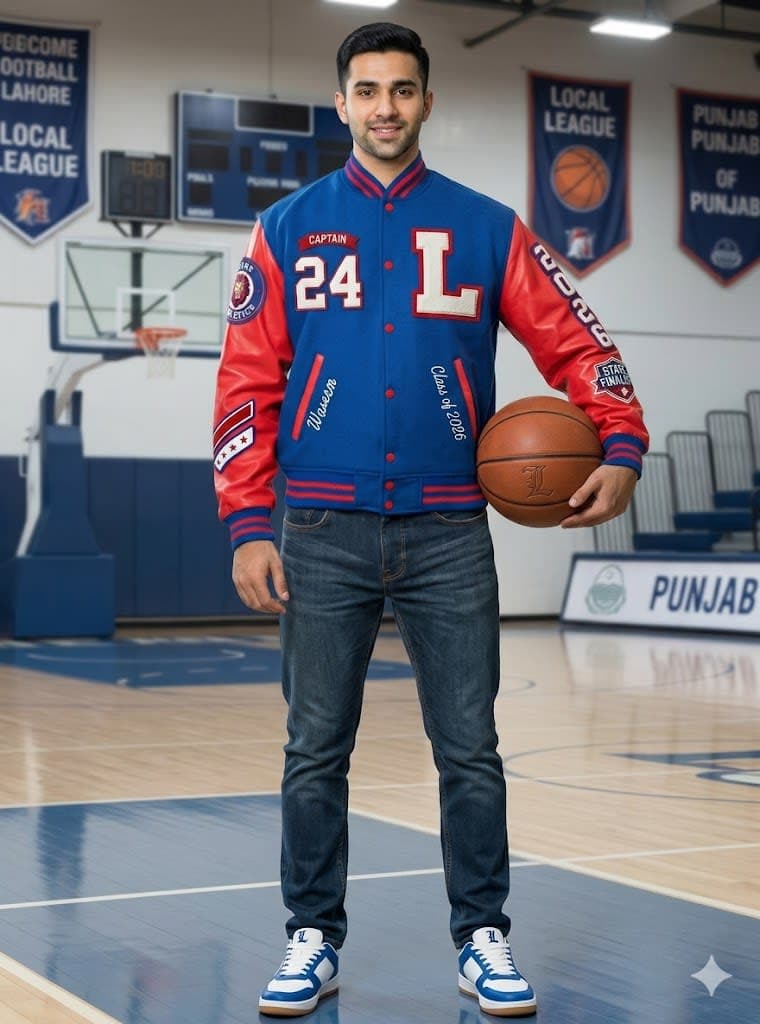
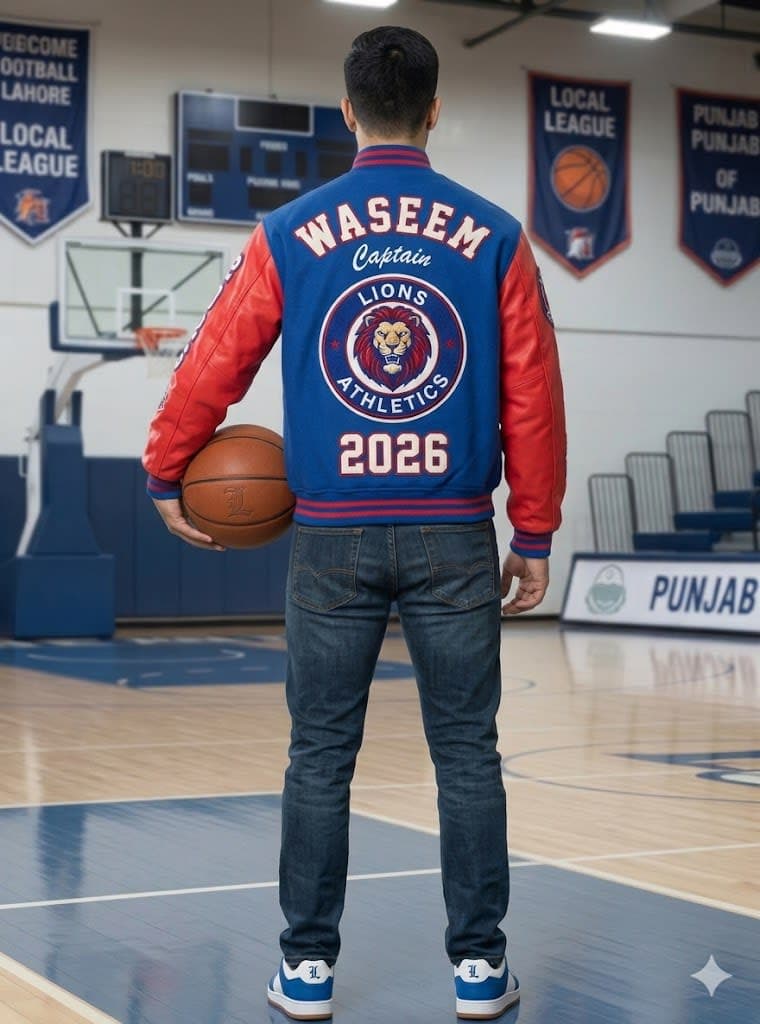
| Placement | Max Width | Used For |
|---|---|---|
| Left Chest | 6" | Chenille letter, school crest, mascot, initials, school name |
| Right Chest | 6" | Small player number, sport icon, position, graduation year |
| Left Pocket | 4" | Name script, small number, senior patch, club tag |
| Right Pocket | 4" | Small number, short motto, city patch, sponsor patch |
| Left Sleeve | 5" | Sport patch, team logo, league patch, captain mark |
| Right Sleeve | 5" | Graduation year, class patch, region patch, academic patch |
| Left Forearm | 5" | Awards, varsity bars, tournament badges, stars |
| Right Forearm | 5" | Captain year, team awards, championship badges |
| Top Back | 14" | Last name, coach title, captain title, short slogan |
| Middle Back | 14" | Big mascot, team name, large number, logo, statement patch |
| Lower Back | 14" | City, state, motto, championship list, established year |
| Inside Chest | 4" | Name label, student ID, team label, care label |
Small text
Woven patches or direct embroidery
3D look
Chenille patches or puff embroidery
Budget option
Felt patches or screen printing
Full color artwork
DTF printing or sublimation on poly fabrics
Heavy wear
Tackle twill or direct embroidery
Compare patch and embroidery options
Choose the method based on artwork size, detail level, fabric, budget, and how the jacket will be worn.
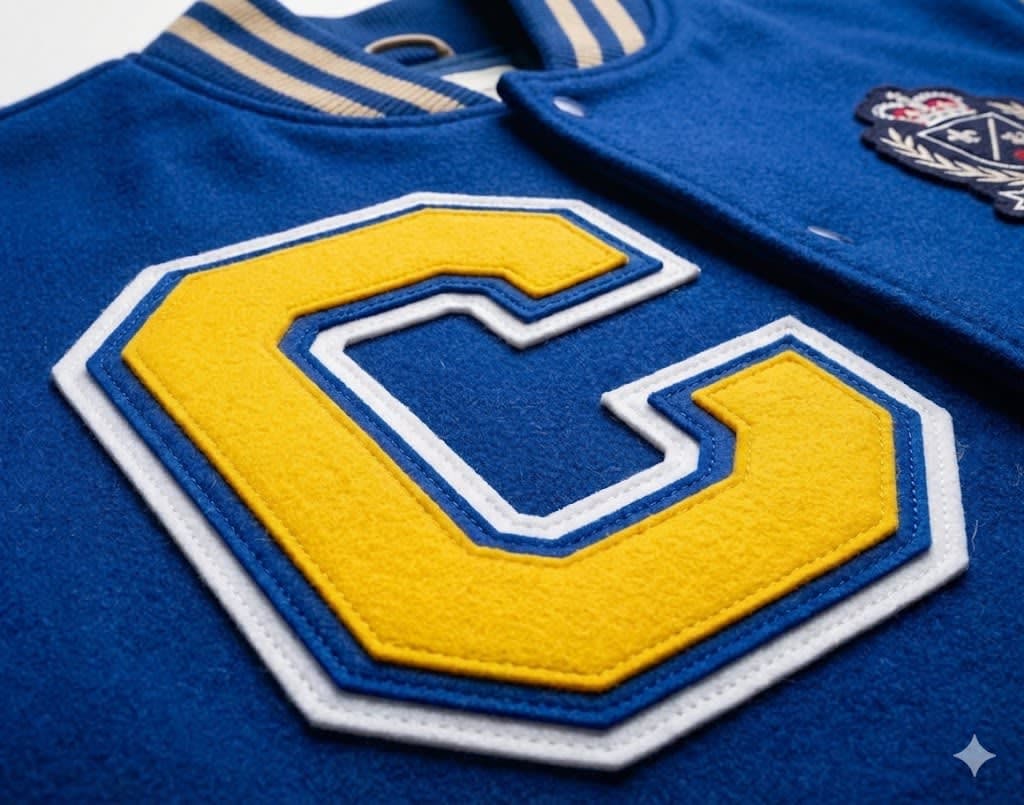
Felt Patches for Varsity Jackets
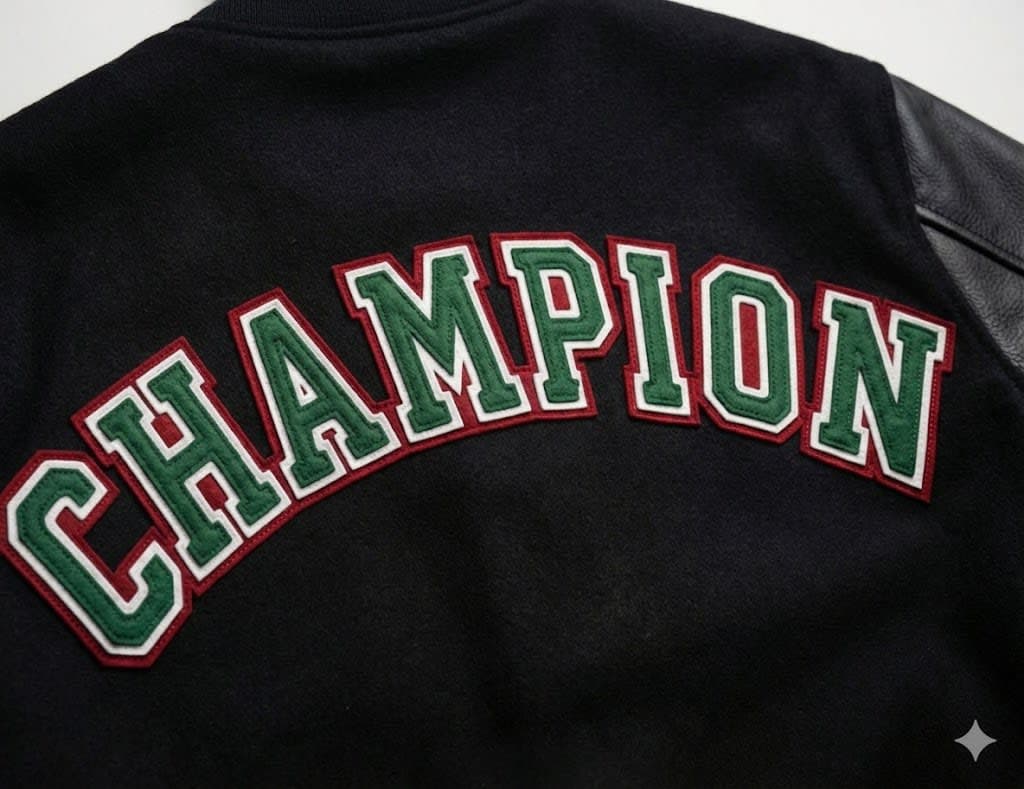
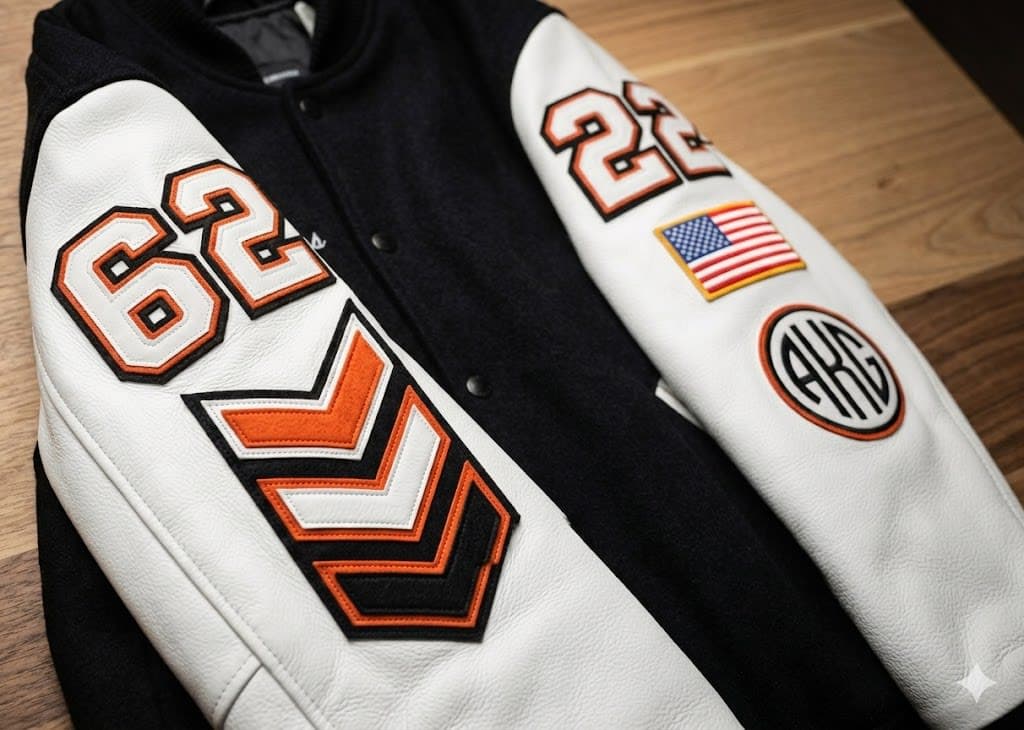
Felt patches are soft shapes sewn onto the jacket. They are the classic pick for varsity letters, large numbers, and year patches.
Not best for tiny text or thin lines. Choose woven patches or direct embroidery for small details.
How Felt Patches Are Made
We cut felt into your letter or shape. For a raised effect, we stack one to three layers, then stitch the edge so it stays flat and clean.
Care
Felt holds up well. Spot clean and avoid high heat. For wool varsity jackets, dry cleaning is safest.
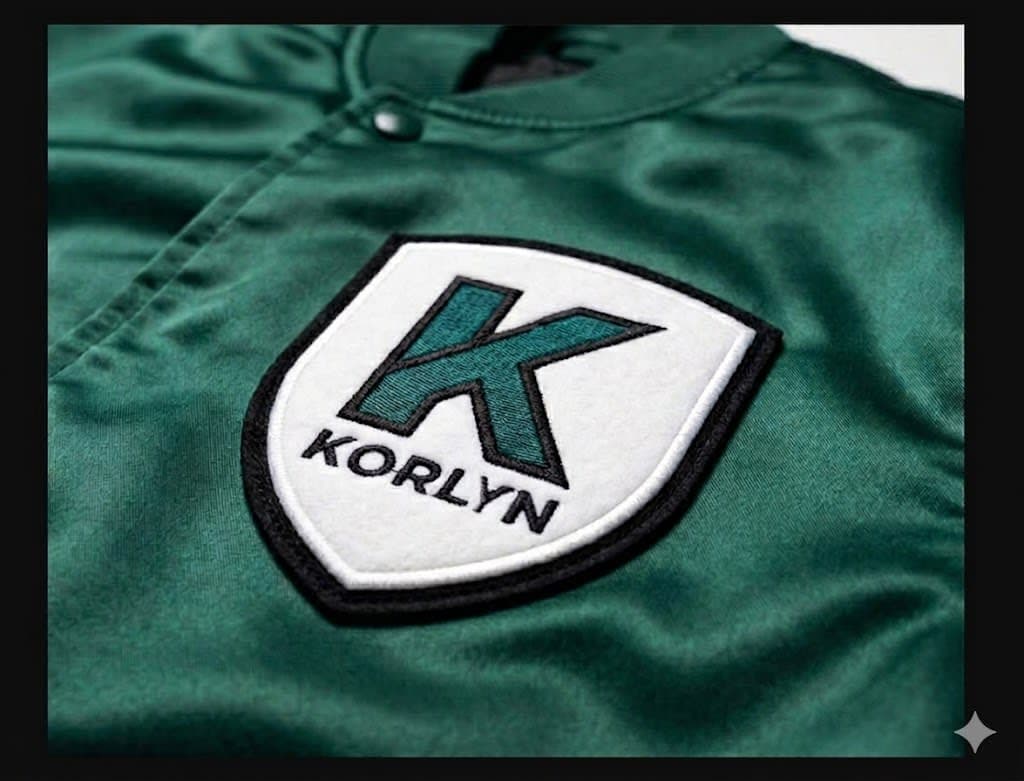
Embroidered Patch Types
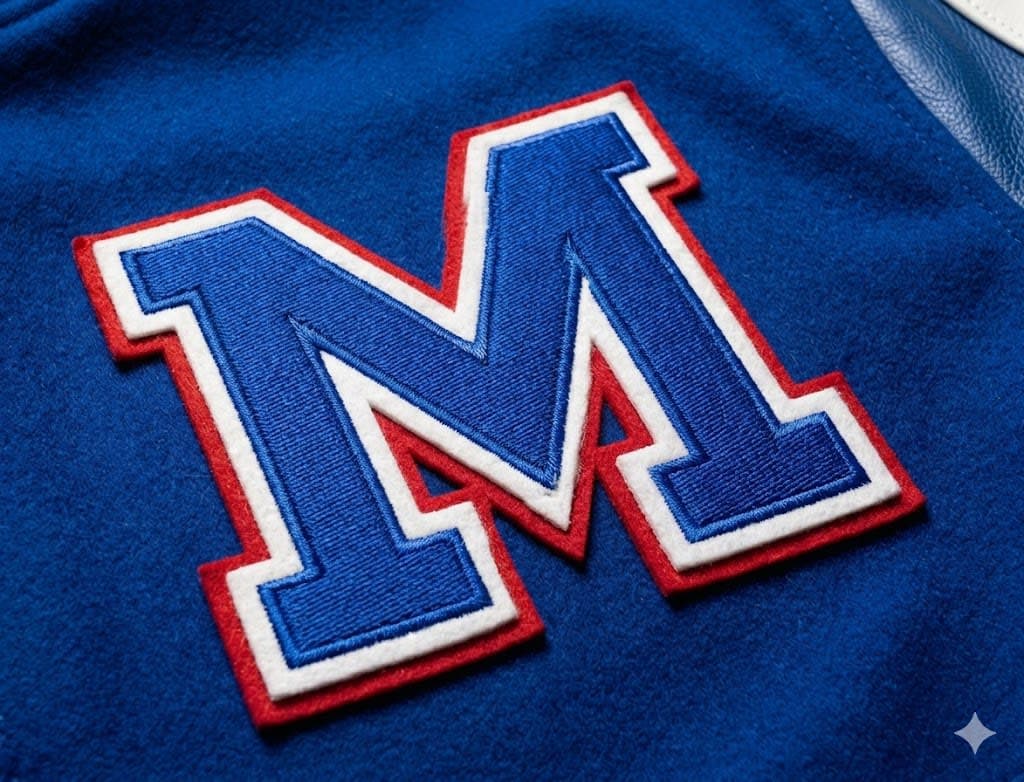
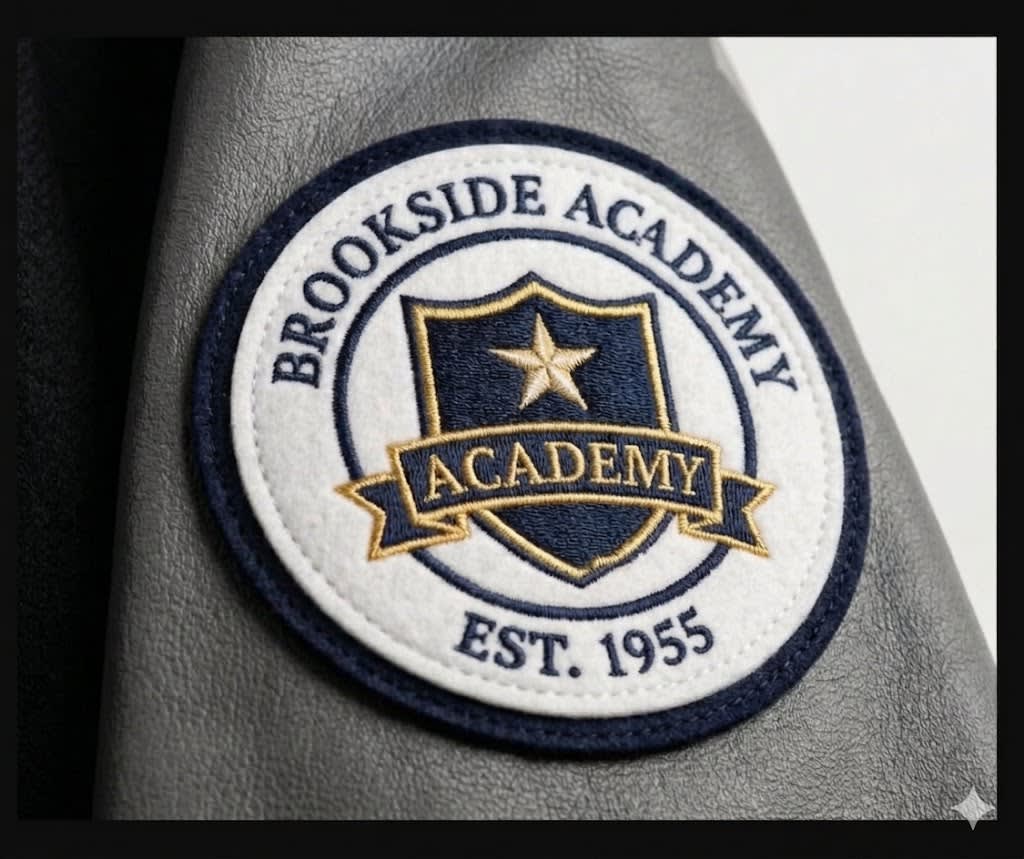
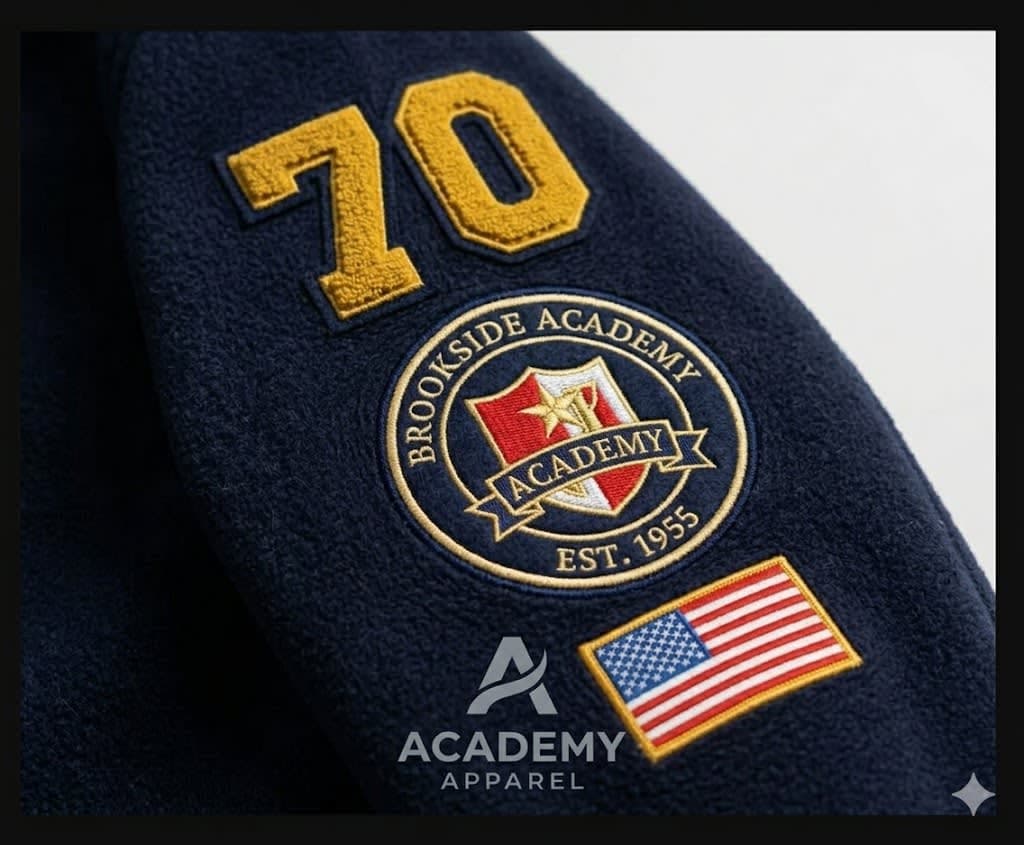
Embroidered patches combine the bold shape of felt with bright thread detail. They work well for logos with multiple colors and shapes.
How Embroidered Patches Are Made
We turn your artwork into a stitch file, sew thread onto felt, cut the patch, and sew it onto the jacket.
Care
Avoid ironing directly on the thread. If washing at home, turn the jacket inside out and use cold water.
Chenille Patches for Letterman Jackets
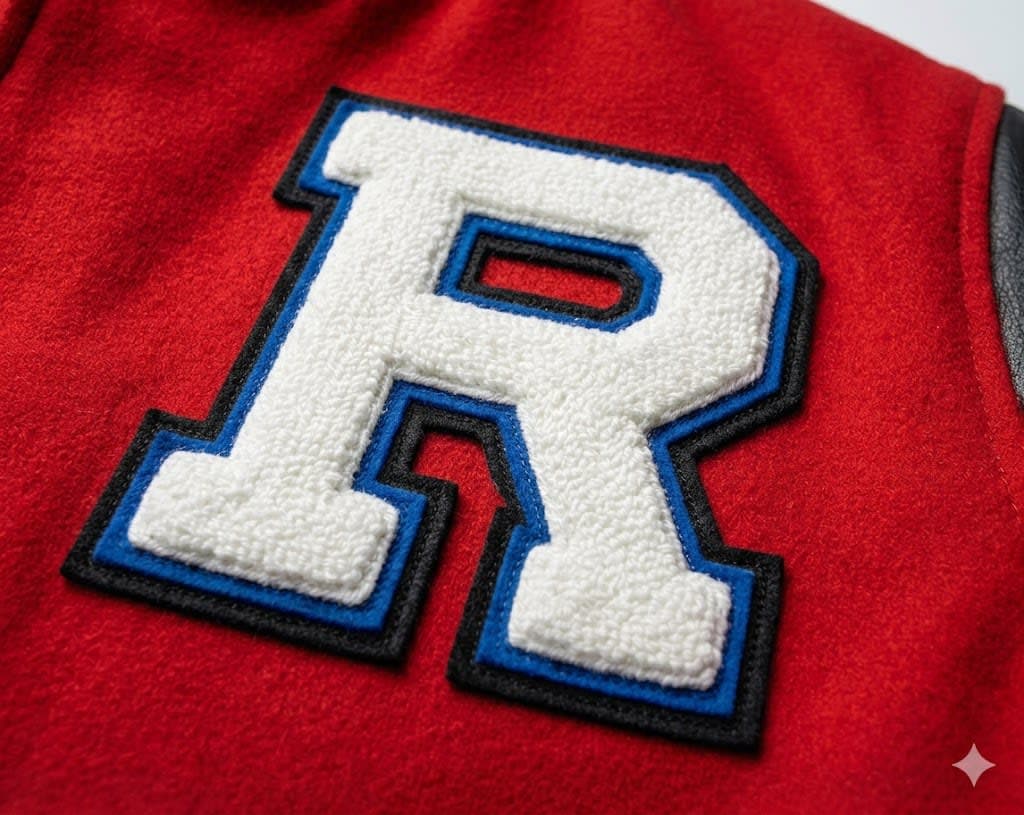
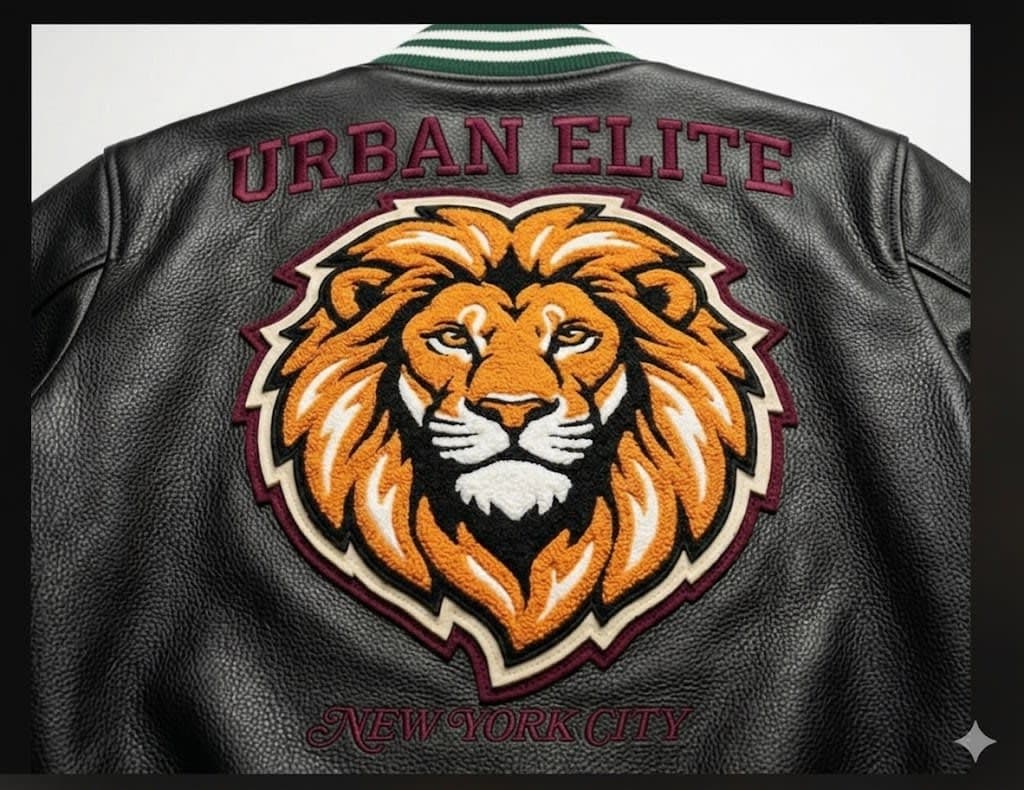
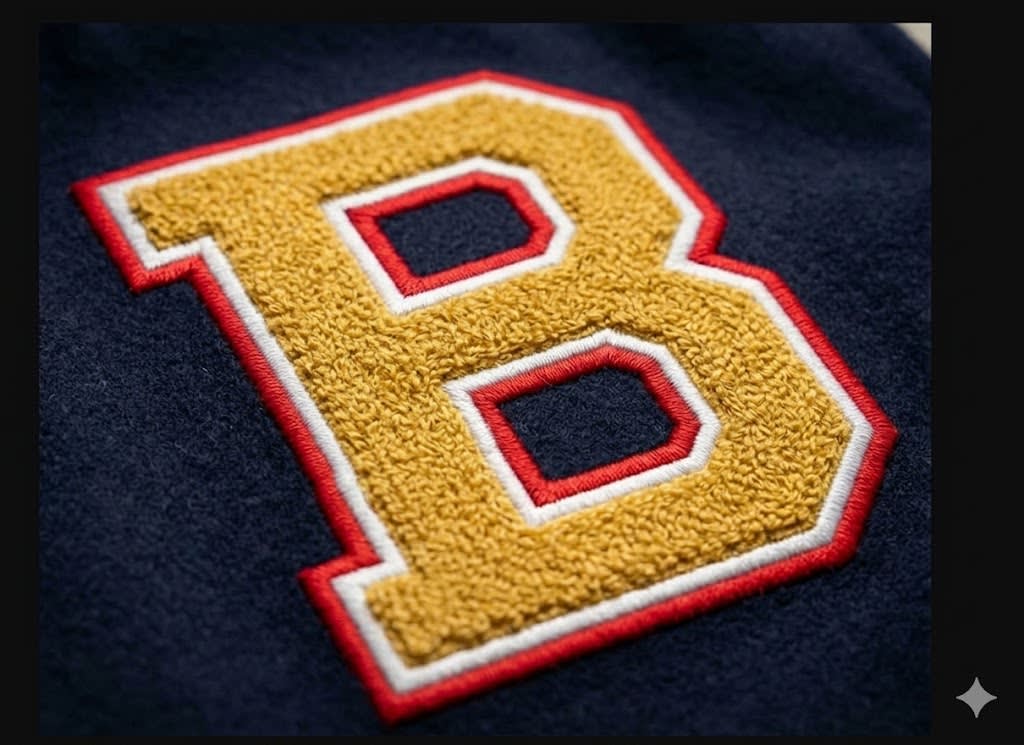
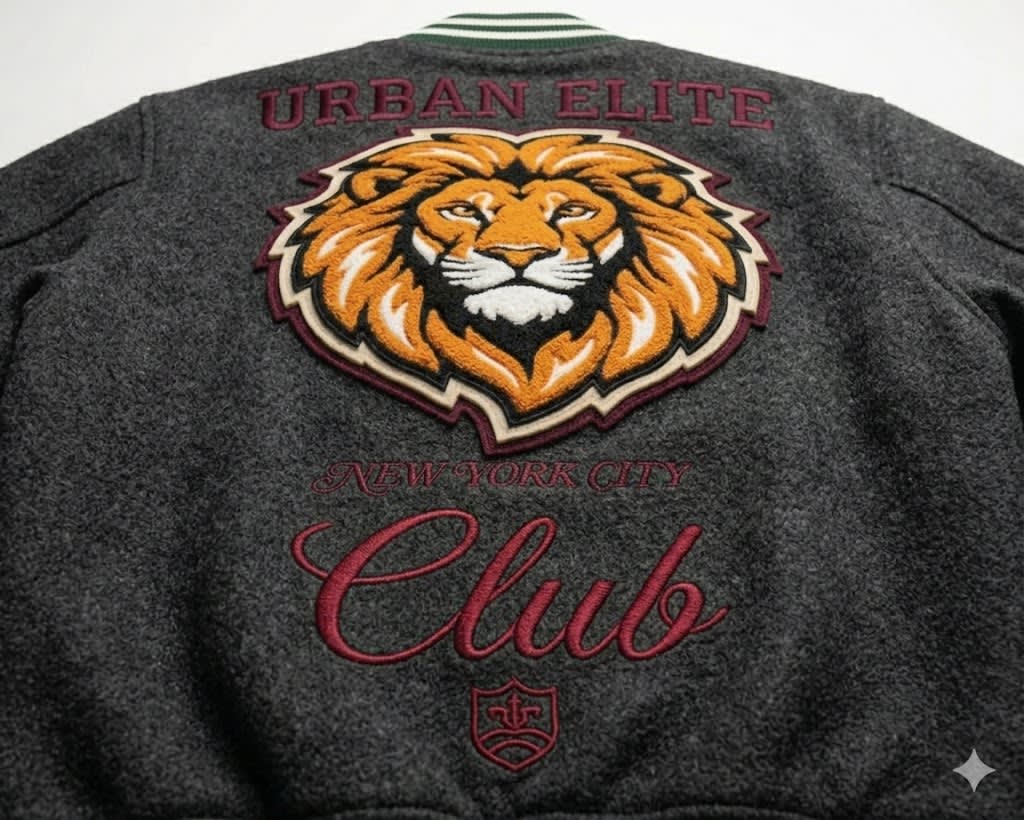
Chenille patches use thick, fluffy yarn for a soft raised feel. This is the classic letterman style for big letters and simple mascots.
How Chenille Patches Are Made
We sew chenille yarn loops onto a felt base, cut the patch, finish the edge, and add a clean border stitch.
Care
Keep chenille away from heavy rubbing. Spot clean when possible. Dry cleaning works best for wool bodies.
Direct Embroidery Options
Direct embroidery stitches your design right into the jacket fabric. It is a strong choice for chest names, small logos, and line art.
How Direct Embroidery Is Made
We digitize your artwork, load the stitch file into the machine, stitch the design into the fabric, then trim the back neatly.
Care
Direct embroidery is one of the strongest options. Wash cold when needed. For wool jackets, dry cleaning is best.
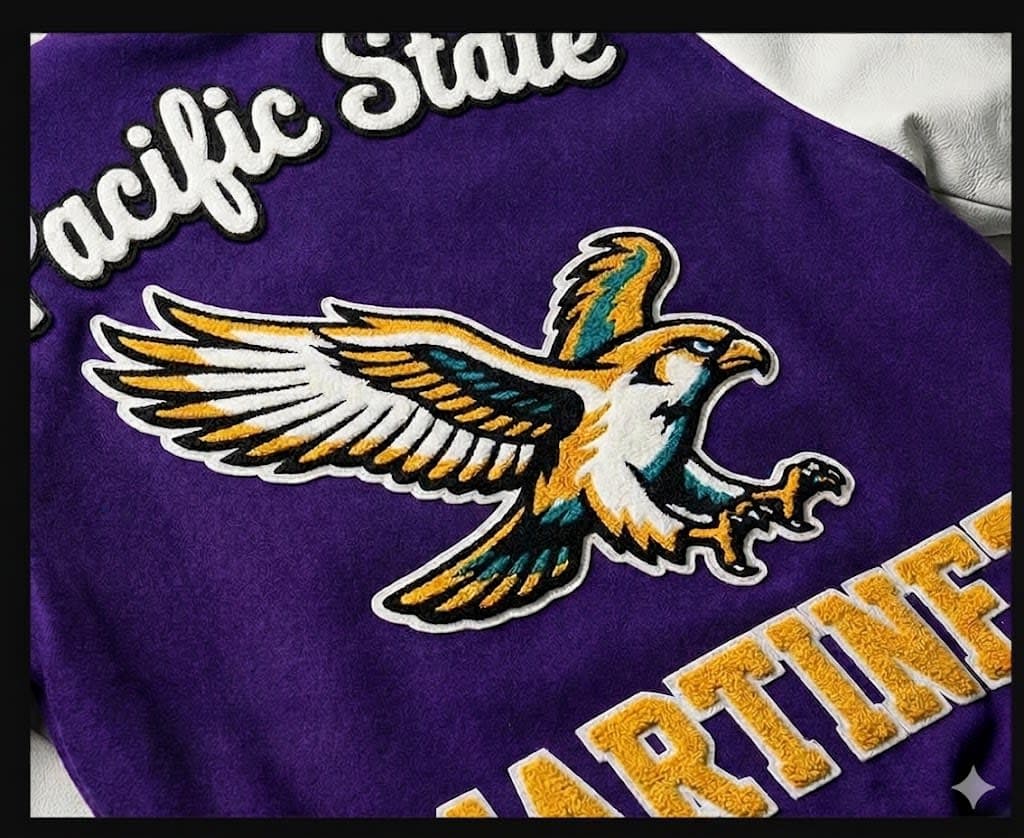
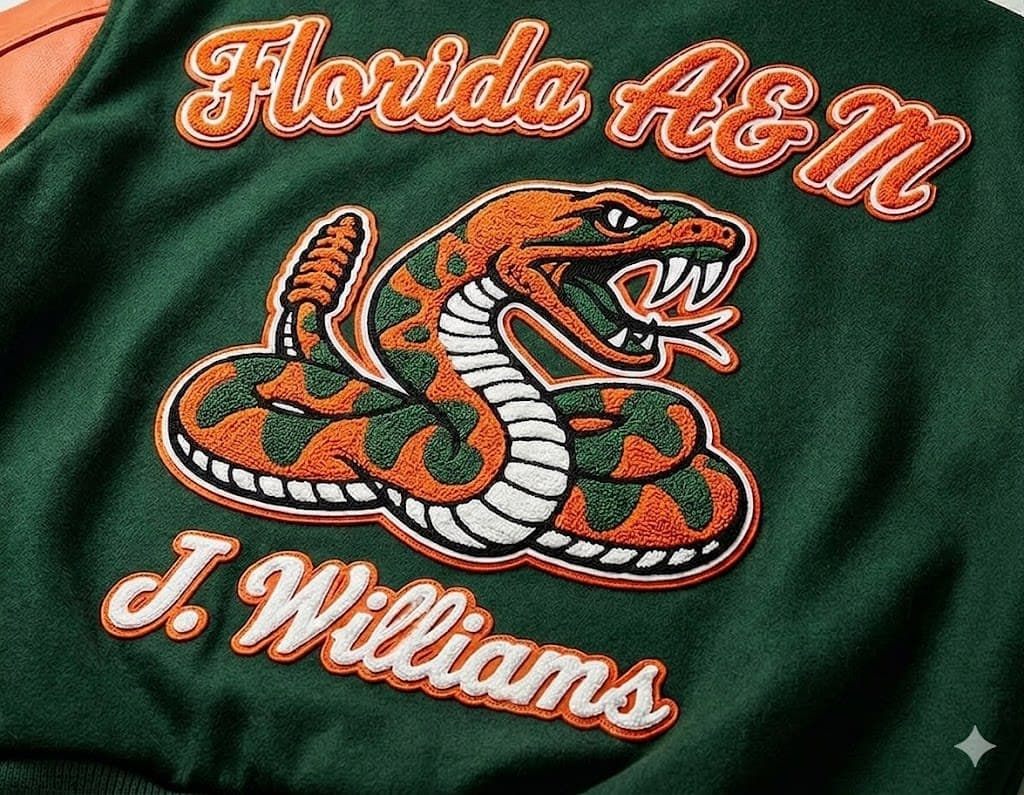
Direct Chenille Embroidery
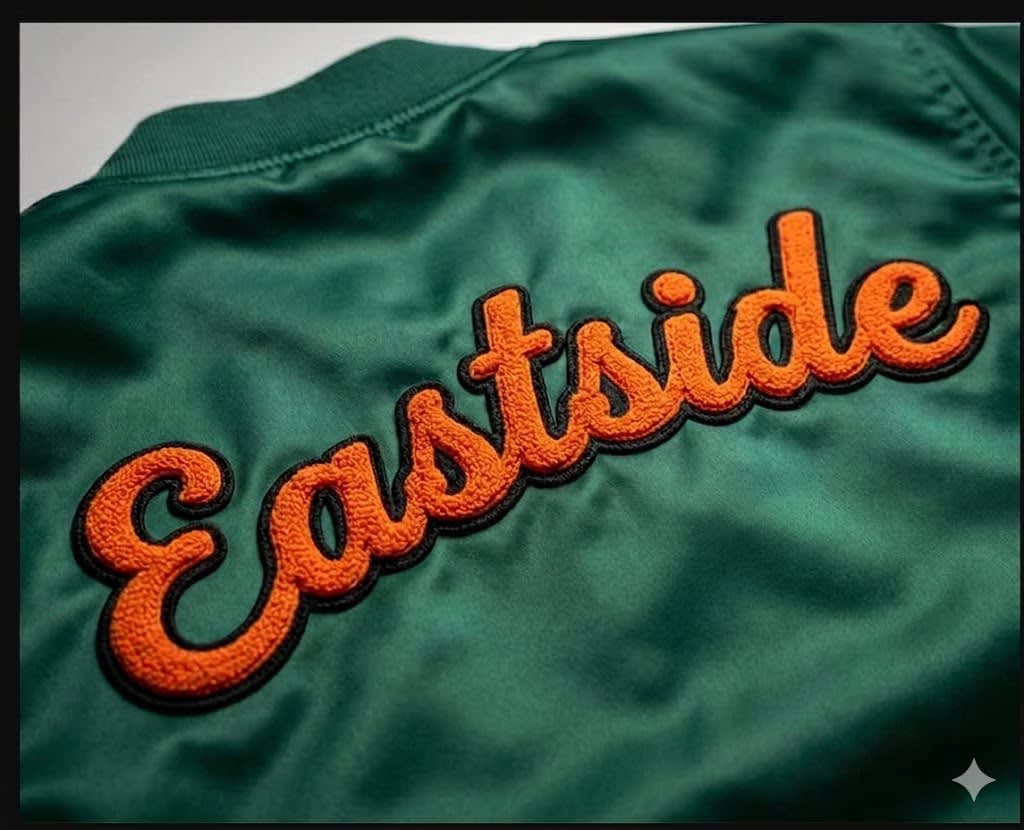
Direct chenille uses fluffy yarn stitched right onto the jacket body for a soft, raised look on big letters and simple chest icons.
How Chenille Embroidery Is Made
We stitch chenille yarn straight onto the jacket. It forms soft loops that make the design thick and bold.
Care
Avoid heavy rubbing on the yarn. Spot clean when possible. Dry cleaning is safest for wool jacket bodies.
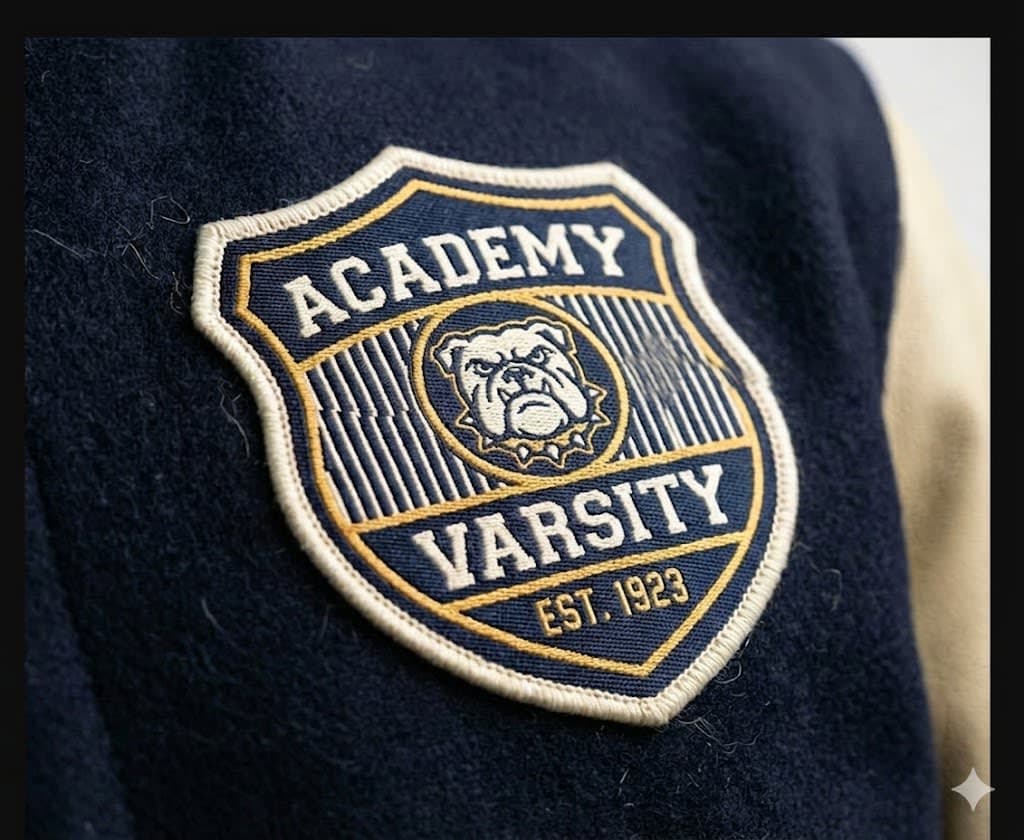
Woven Patches for Detailed Logos
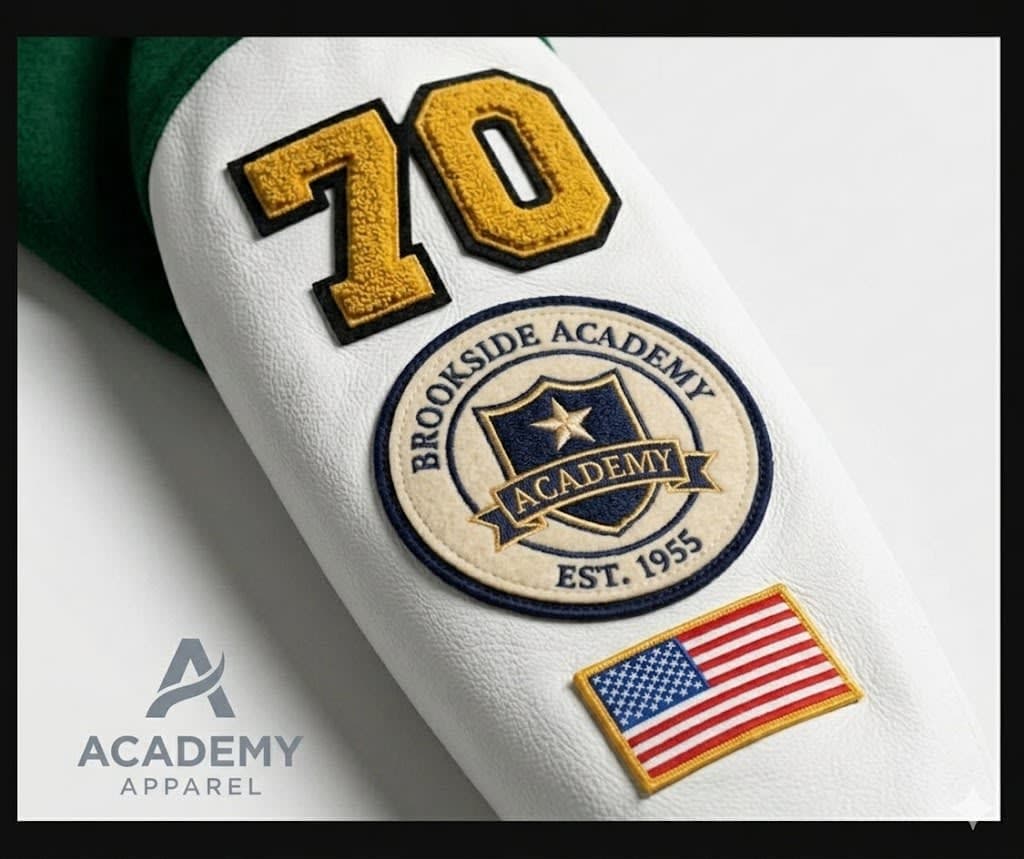
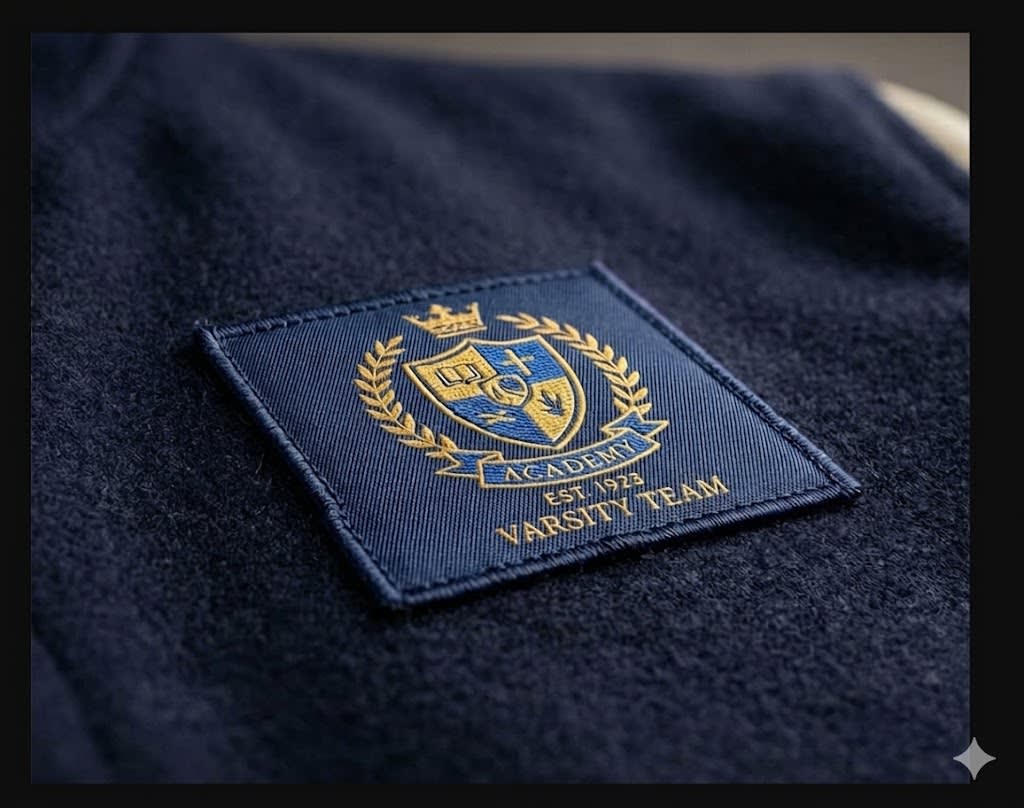
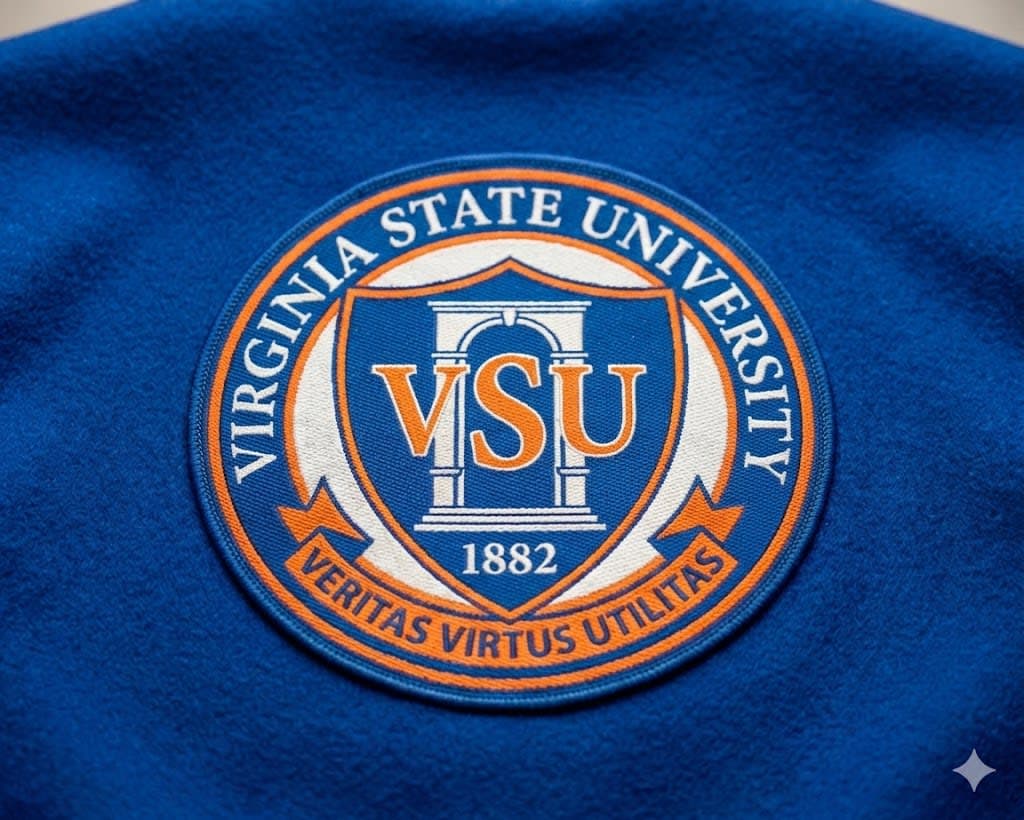
Bulk orders onlyWoven patches use thin yarn to create sharp details. They are best for badges, flags, company logos, and small text.
How Woven Patches Are Made
We weave the design with thin yarn, then cut and finish the edges for a thin, detailed flat patch.
Care
These patches last a long time because the weave is tight. Avoid high heat on hook-and-loop backing.
Leather Patches for Jackets
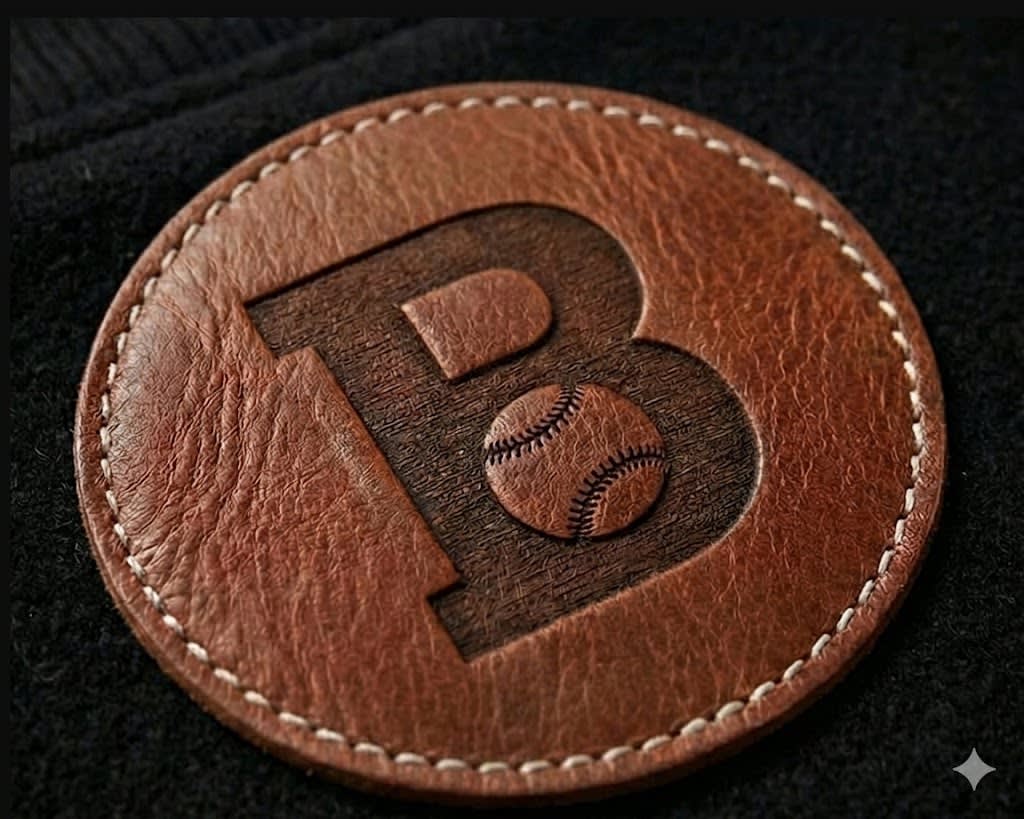
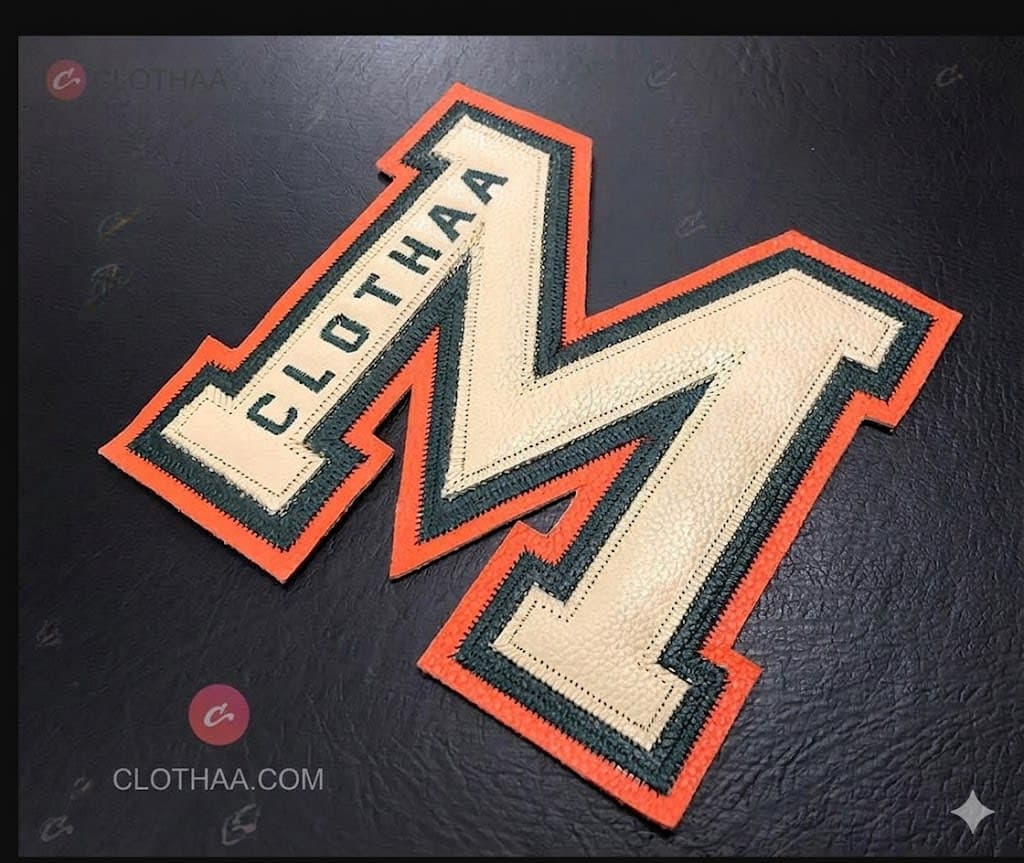
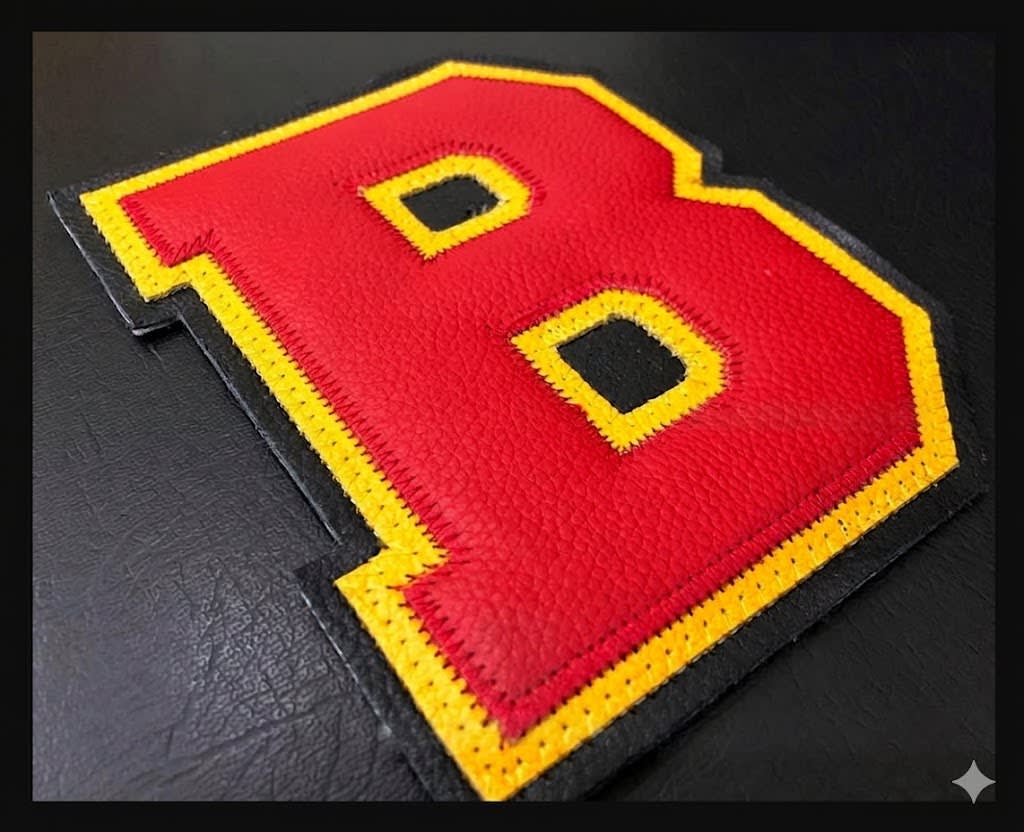
Bulk orders onlyLeather patches offer a clean, tough look. They are a strong fit for bomber jackets and brand-focused outerwear.
How Leather Patches Are Made
We laser cut the leather for clean edges, then sew the patch onto the jacket so it stays secure.
Care
Avoid soaking leather patches. If the jacket gets wet, let it air dry naturally.
3D Puff Embroidery
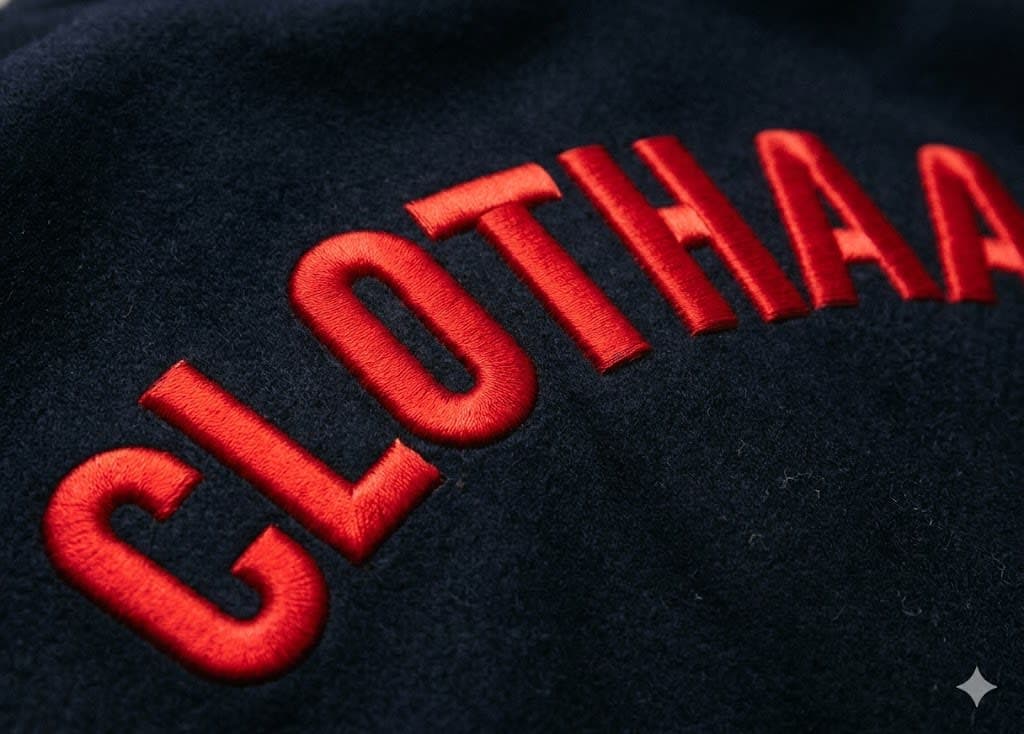
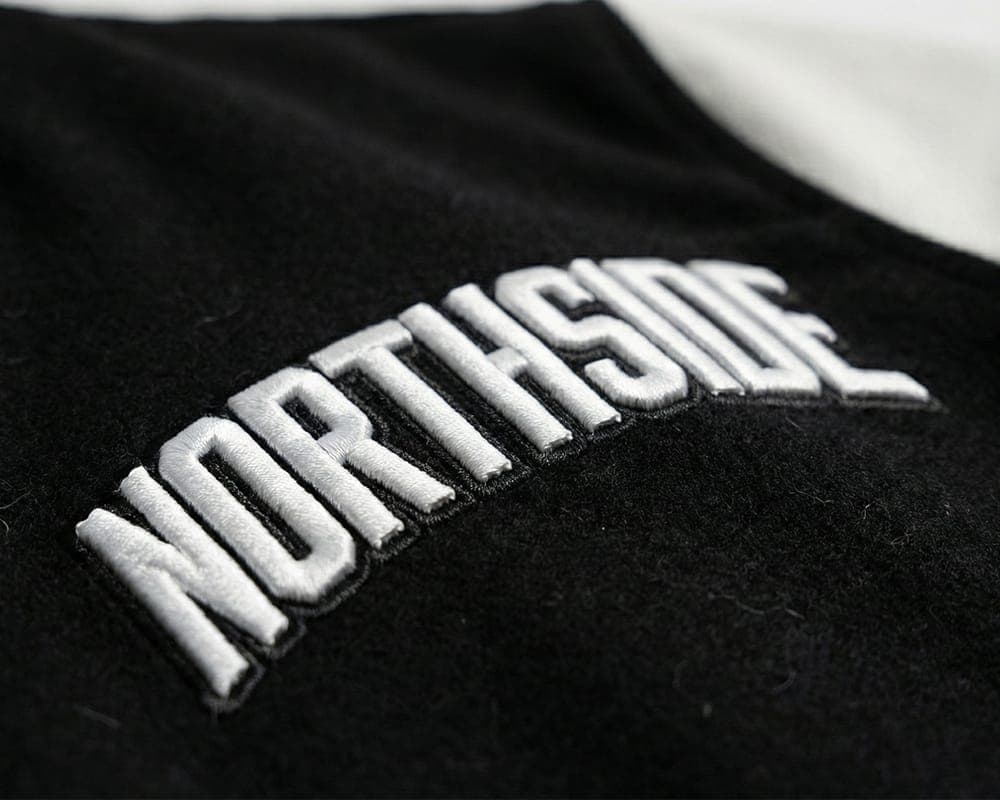
Puff embroidery places foam under the thread to raise the design. It makes bold text and simple shapes pop off the fabric.
How Puff Embroidery Is Made
We place foam under the stitch path, sew over it, and remove the extra foam after stitching.
Care
Puff holds its shape well. Avoid crushing it or using high heat. Spot clean gently when possible.
Tackle Twill for Big Numbers
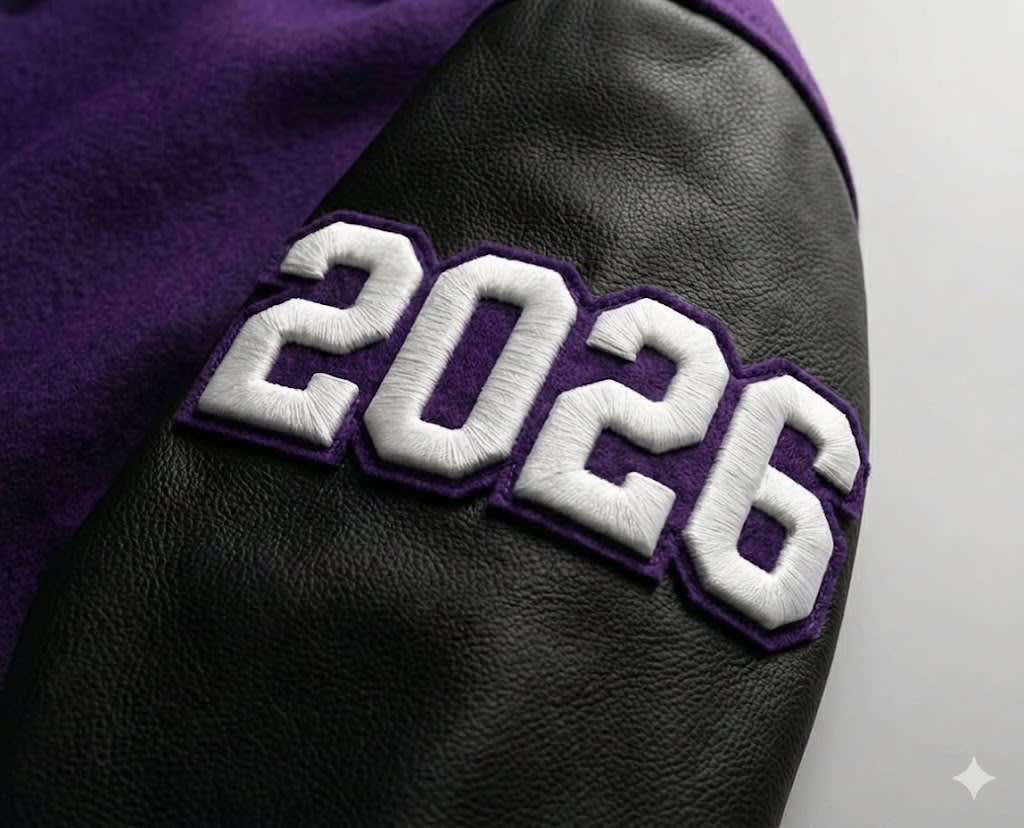
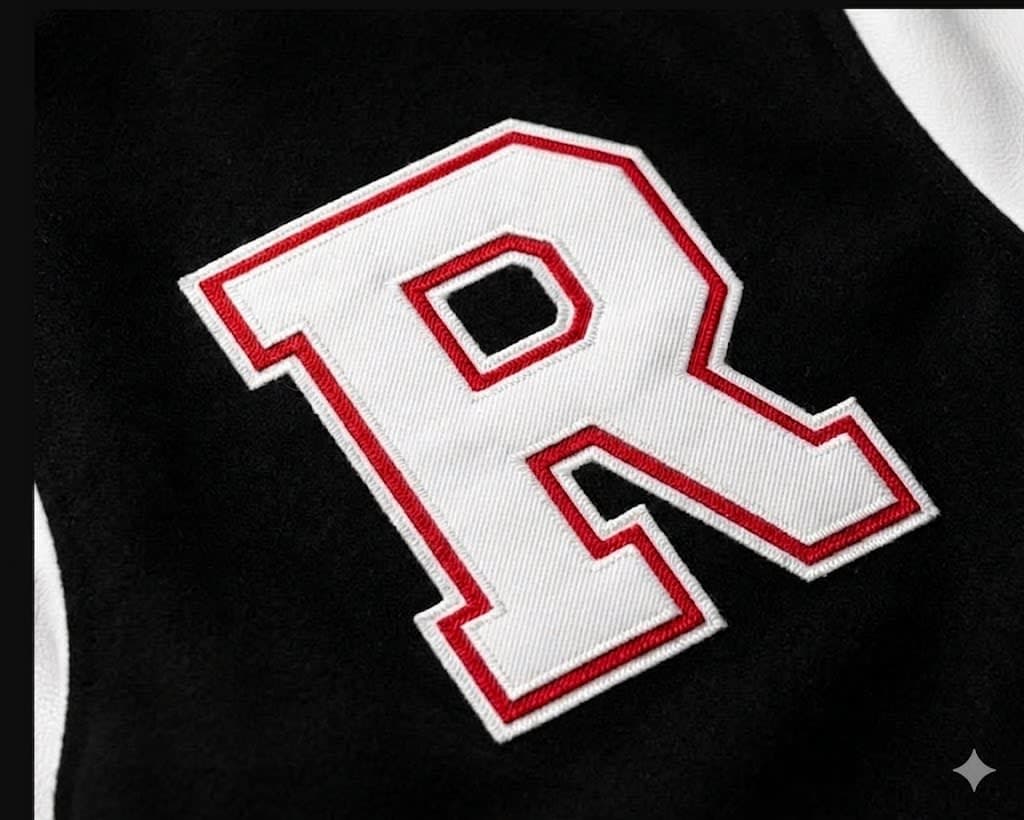
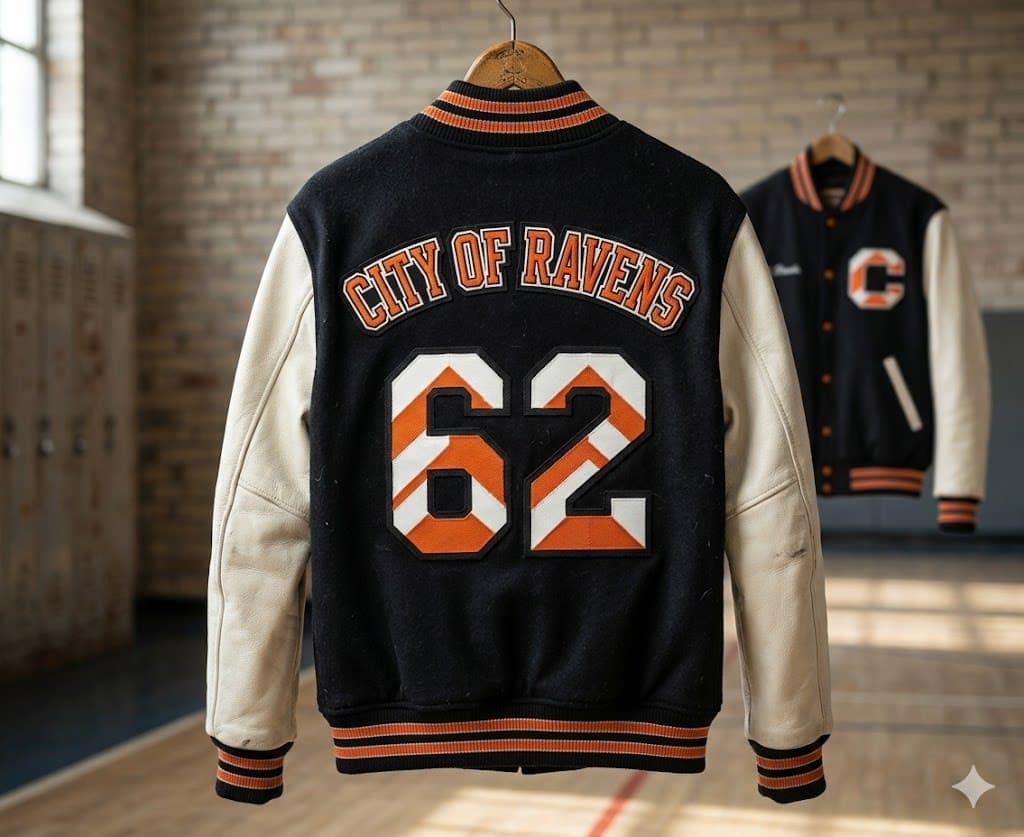
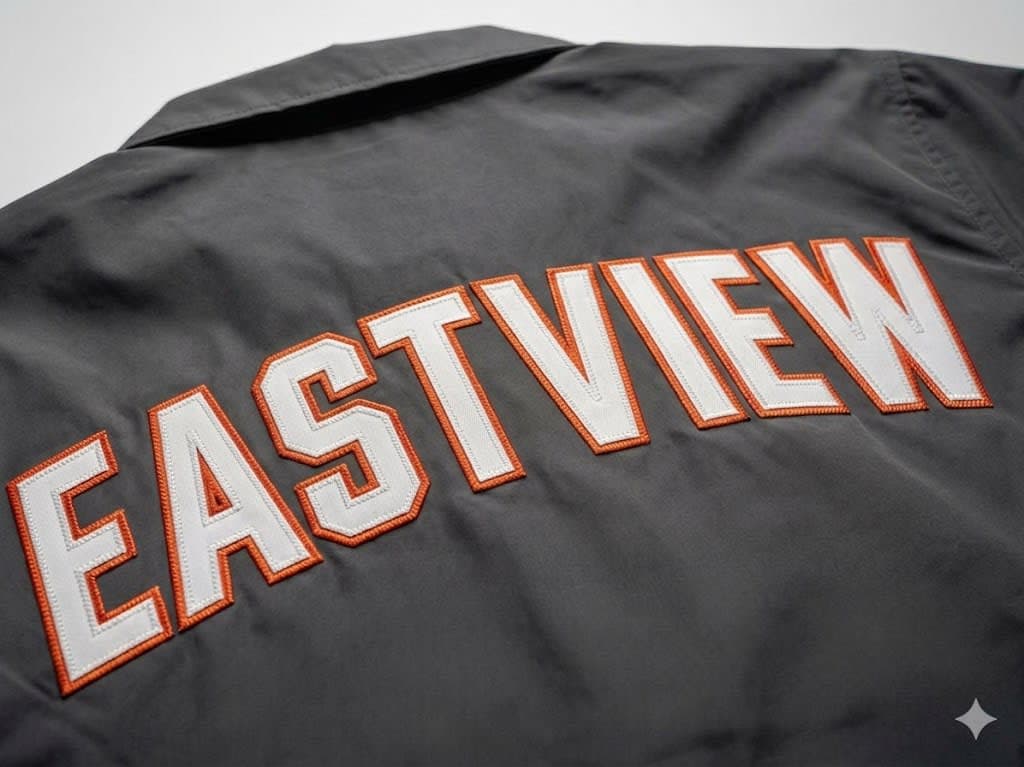
Tackle twill is fabric lettering sewn down with a clean border. It is ideal for large back numbers, player names, and sleeve years.
How Tackle Twill Is Made
We cut strong twill fabric into letters or numbers, then stitch the edge tightly so it stays flat.
Care
Tackle twill is tough and sporty. Avoid high heat to protect the border stitch.
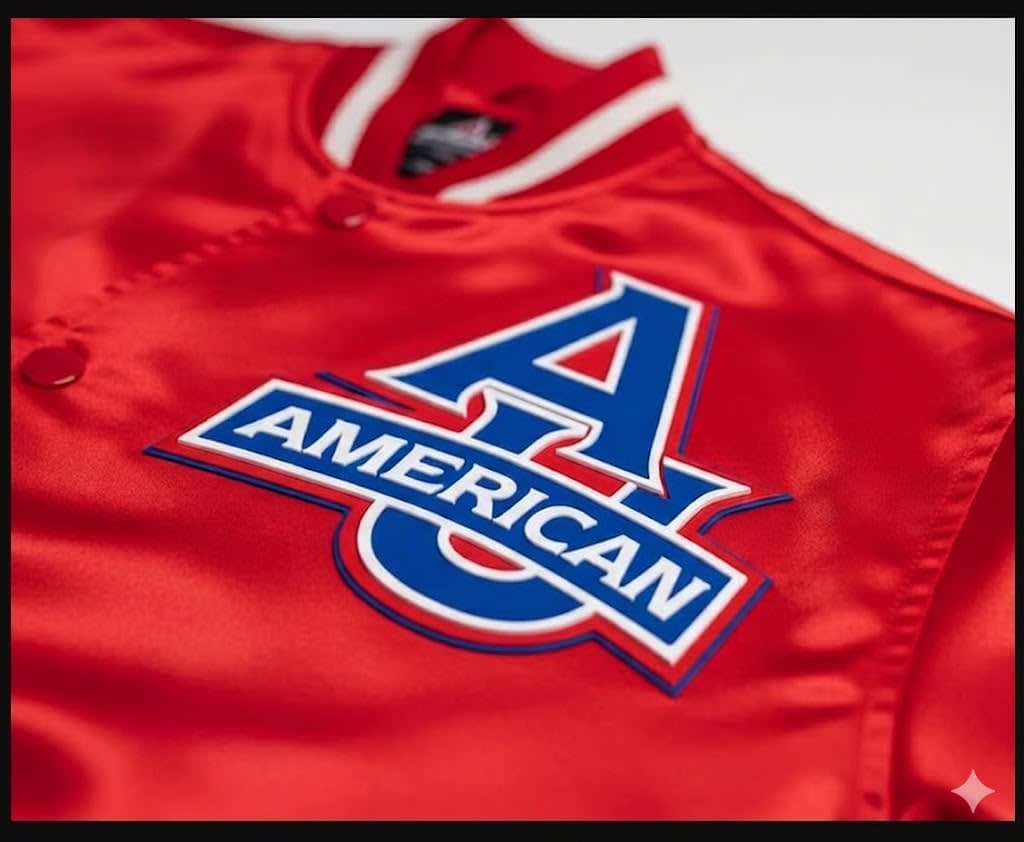
DTF Printing for Full Color
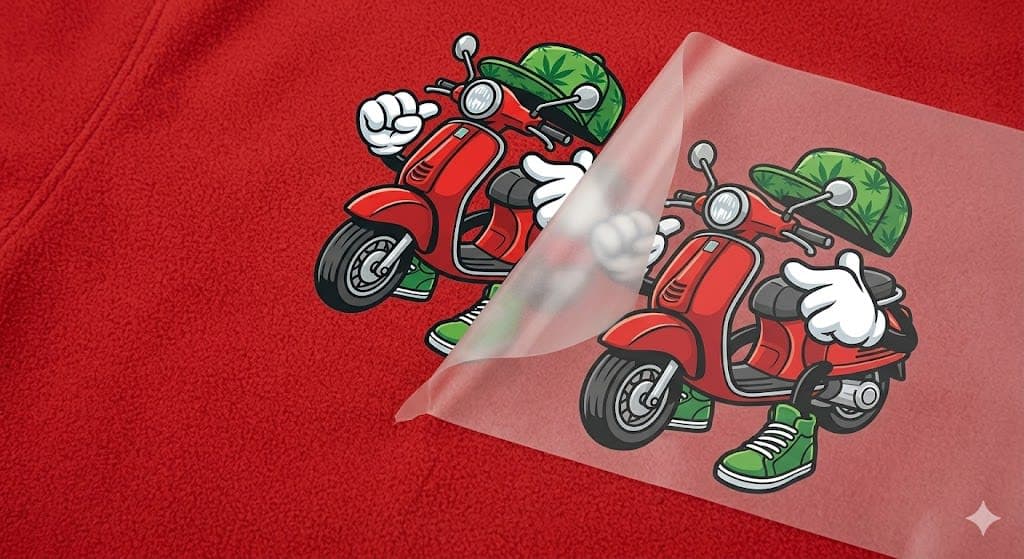
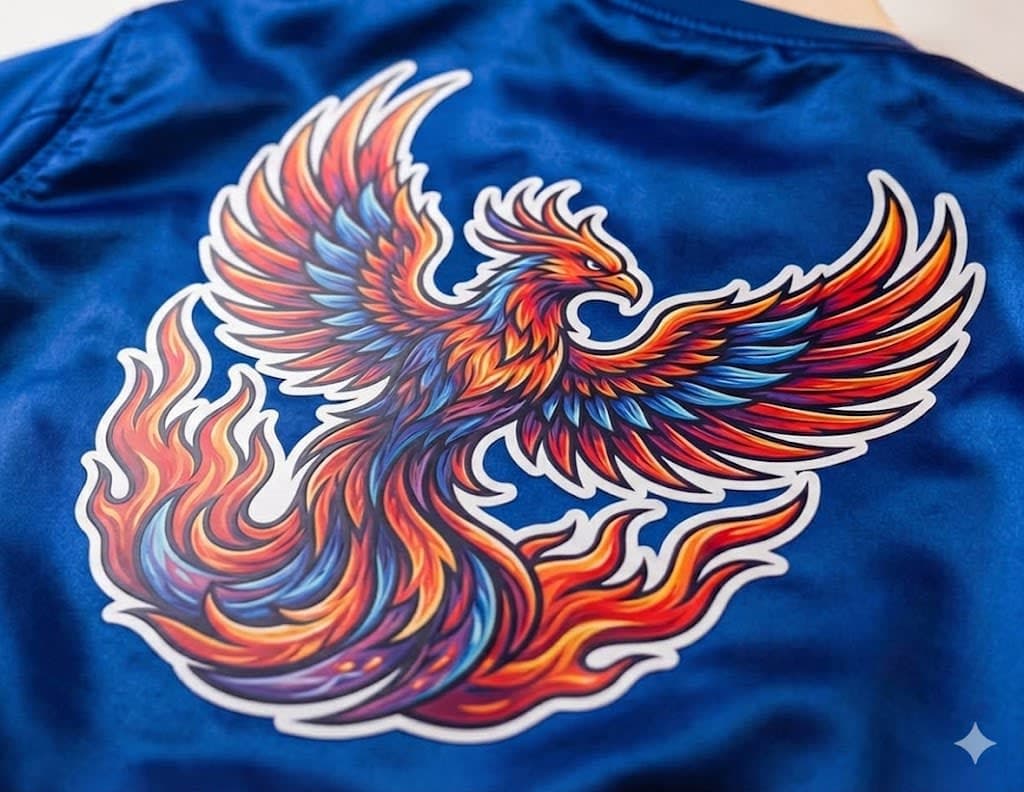
DTF captures full-color artwork, photos, and small details. It is a flexible option for fleece hoodies, satin, twill, and many blends.
How DTF Printing Works
We print the design on special film, add adhesive powder, and heat press it onto the fabric.
Care
Wash in cold water and never iron directly on the print.
Screen Printing Options
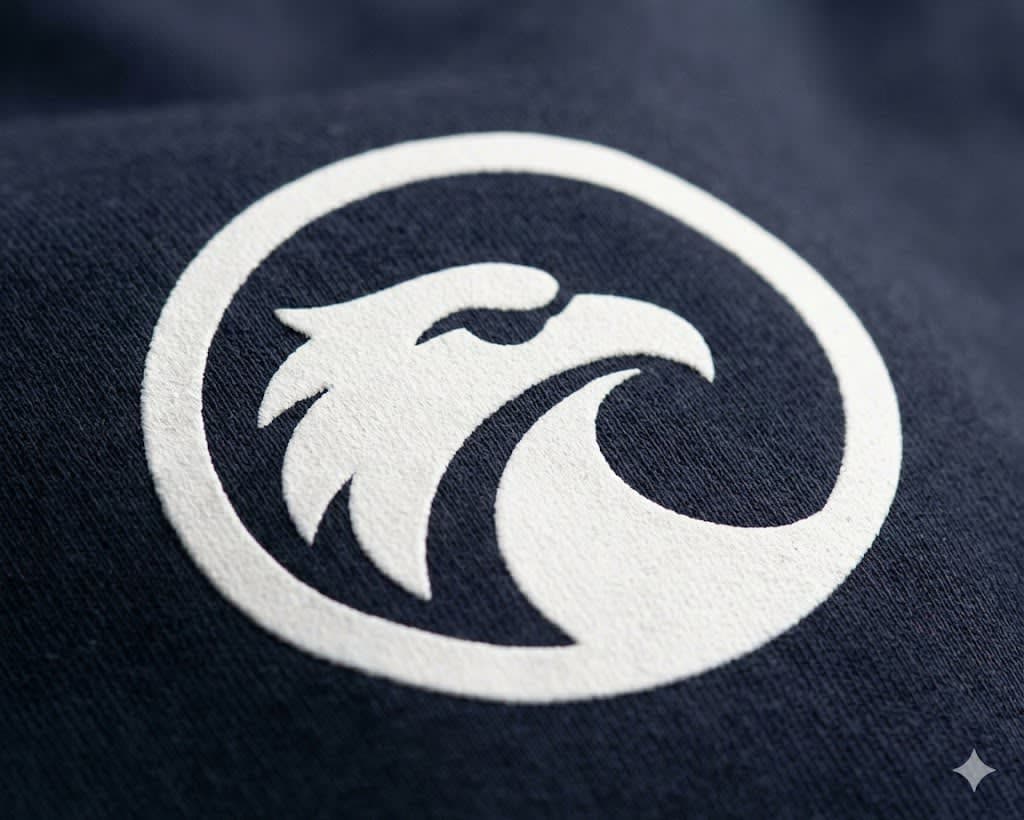
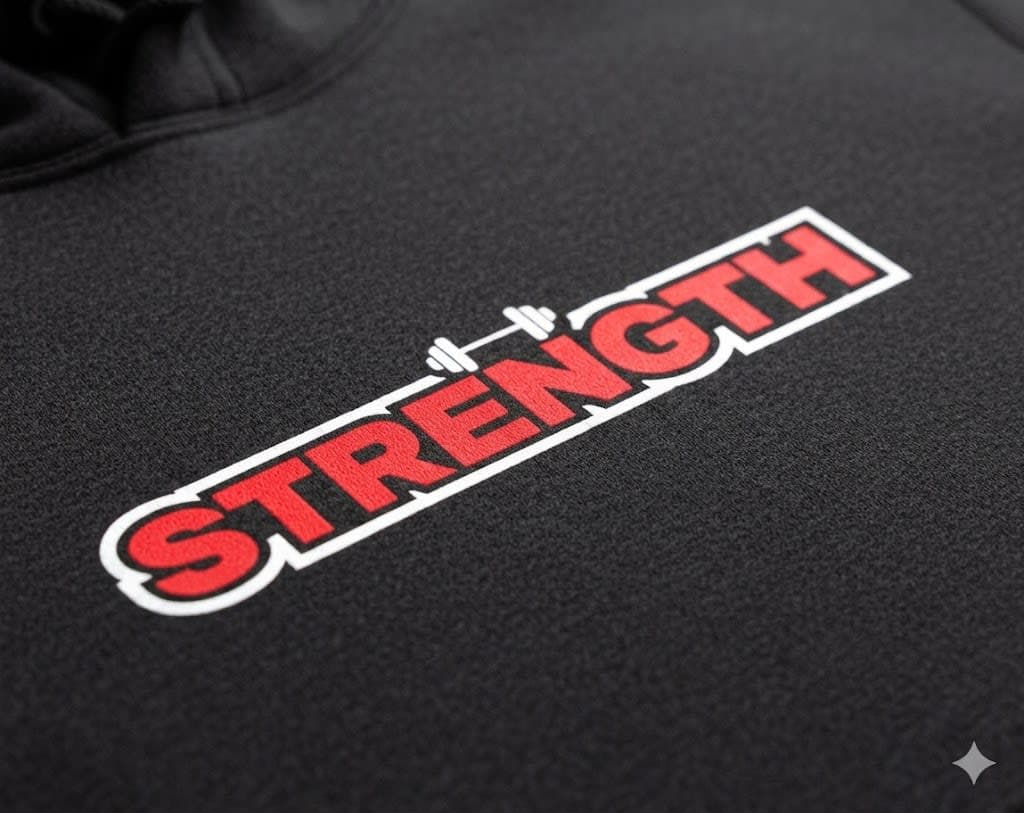
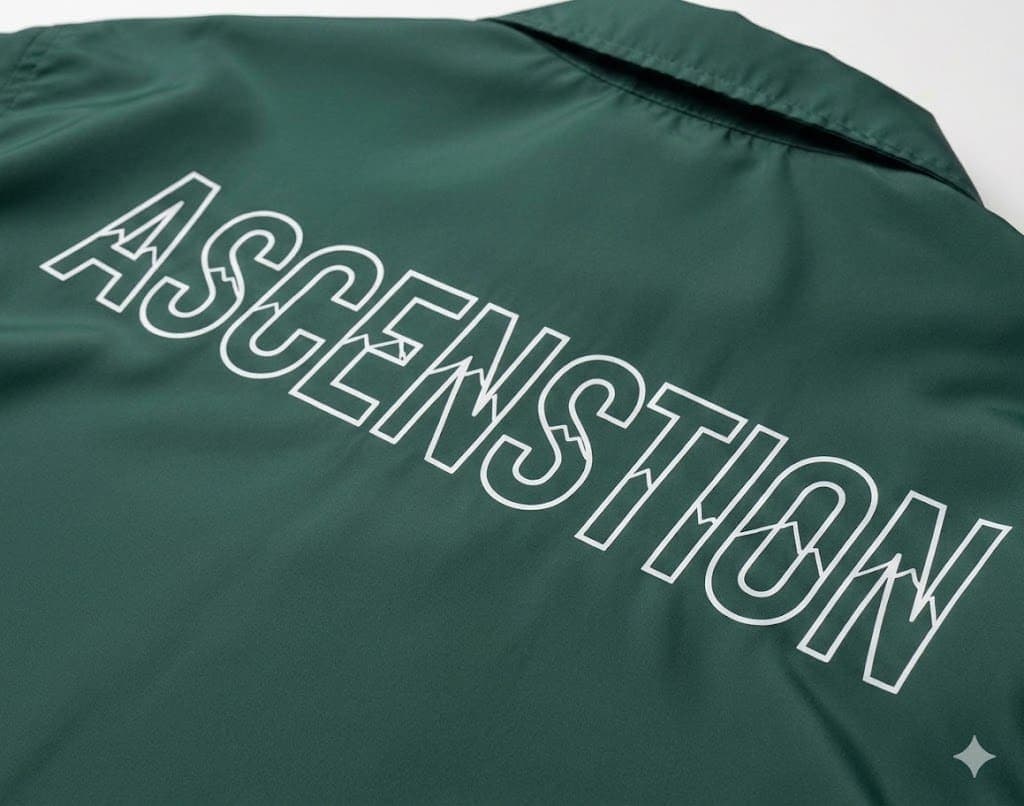
Screen printing pushes ink through a mesh screen onto fabric. It works best for bold logos, simple shapes, and clean color blocks.
How Screen Printing Works
We prepare screens for each color, then press ink directly onto the garment.
Care
Wash cold and avoid high heat drying so the ink stays smooth.
Vinyl (HTV) Transfers
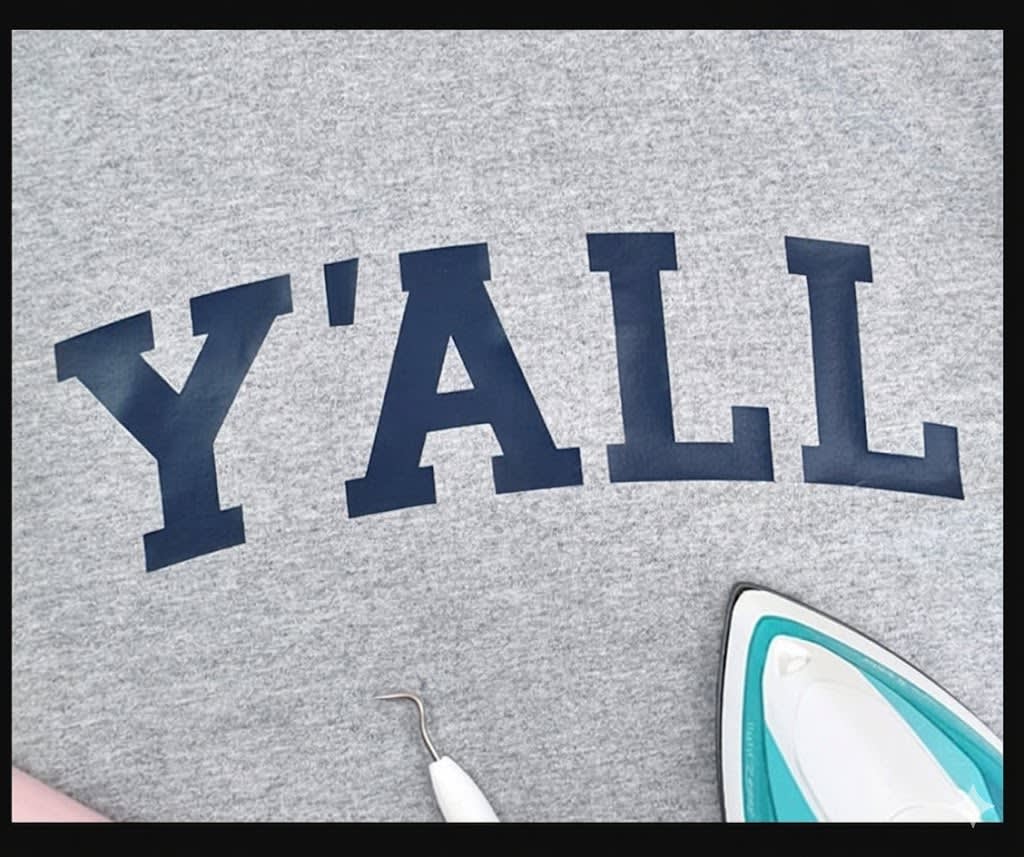
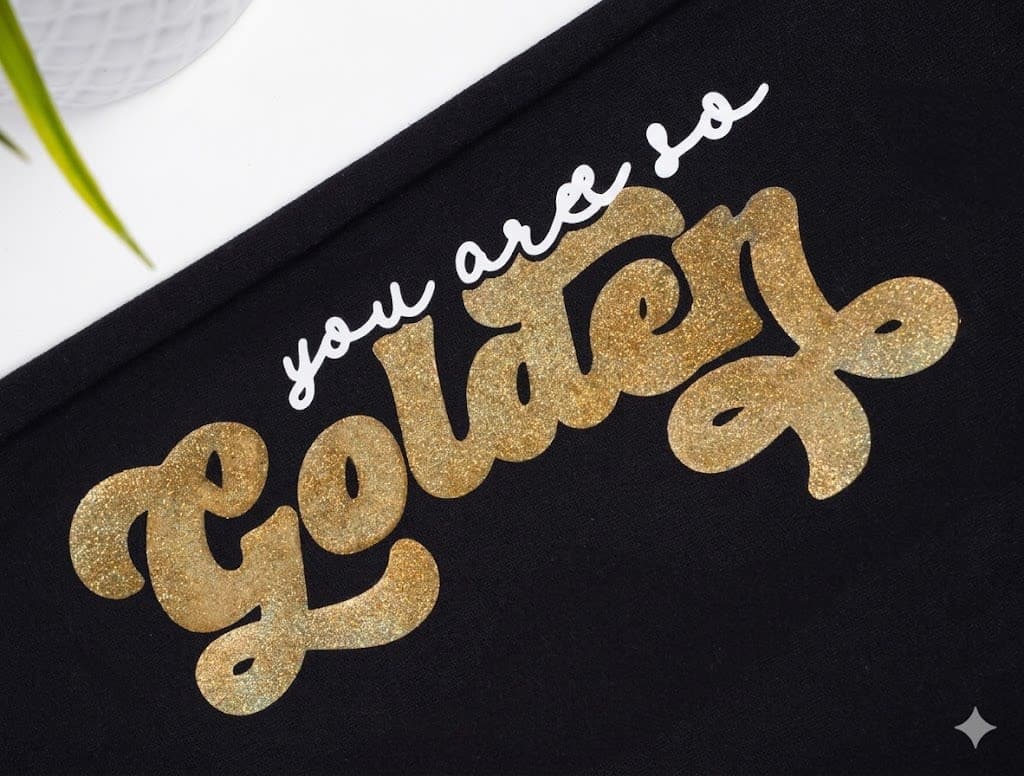
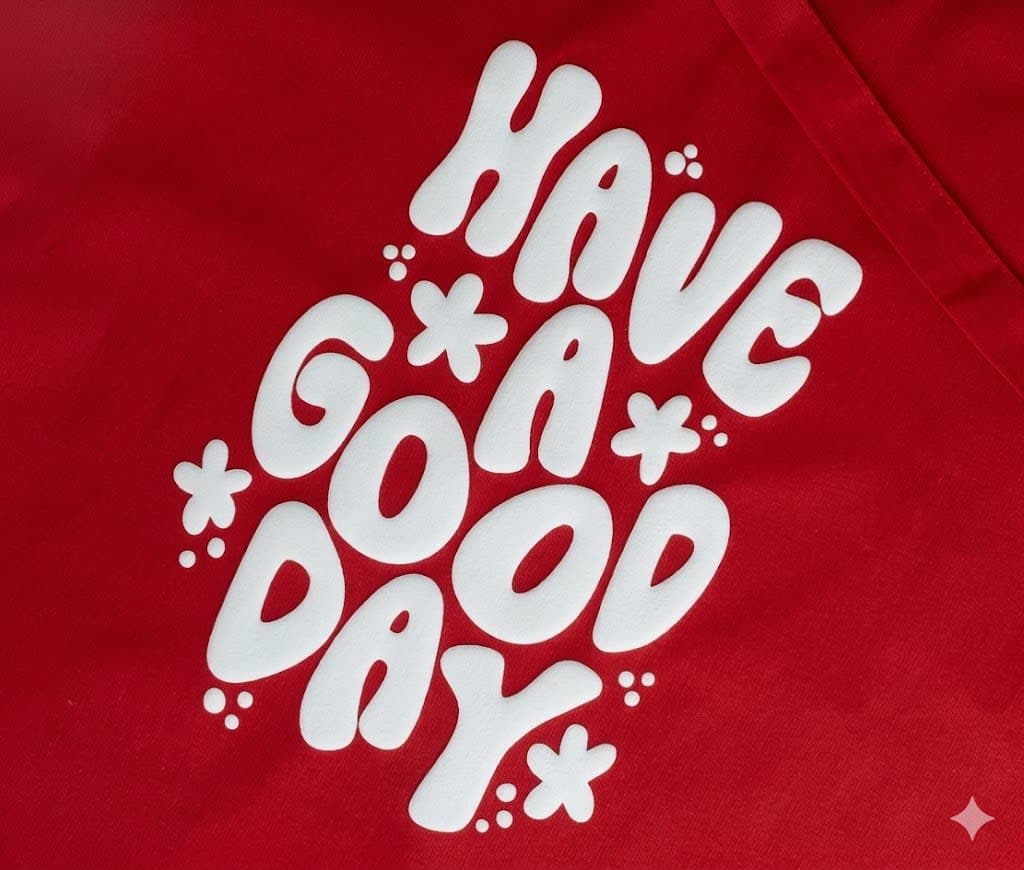
HTV is colored vinyl cut and pressed onto the jacket. It is best for names and numbers in one solid color.
How HTV Works
We cut vinyl shapes with a machine, then heat press them onto the garment for sharp, bright numbers.
Care
Wash cold. Never iron directly on vinyl. Air dry for best durability.
Sublimation Printing
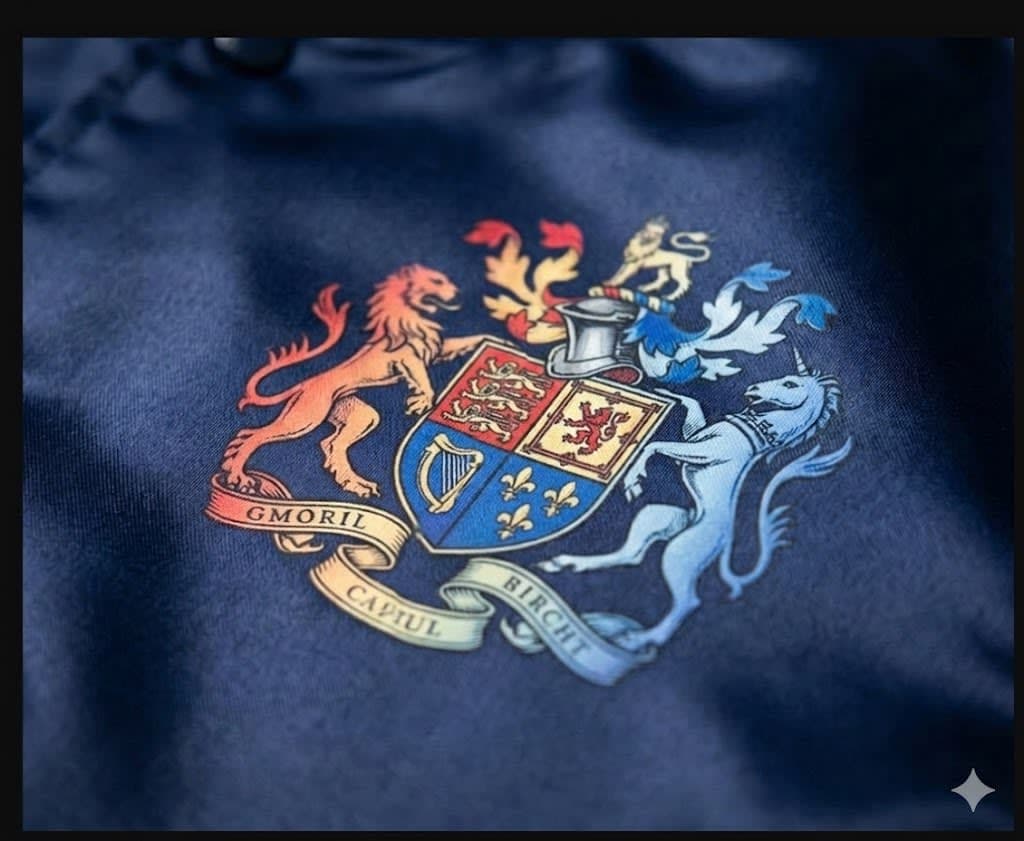
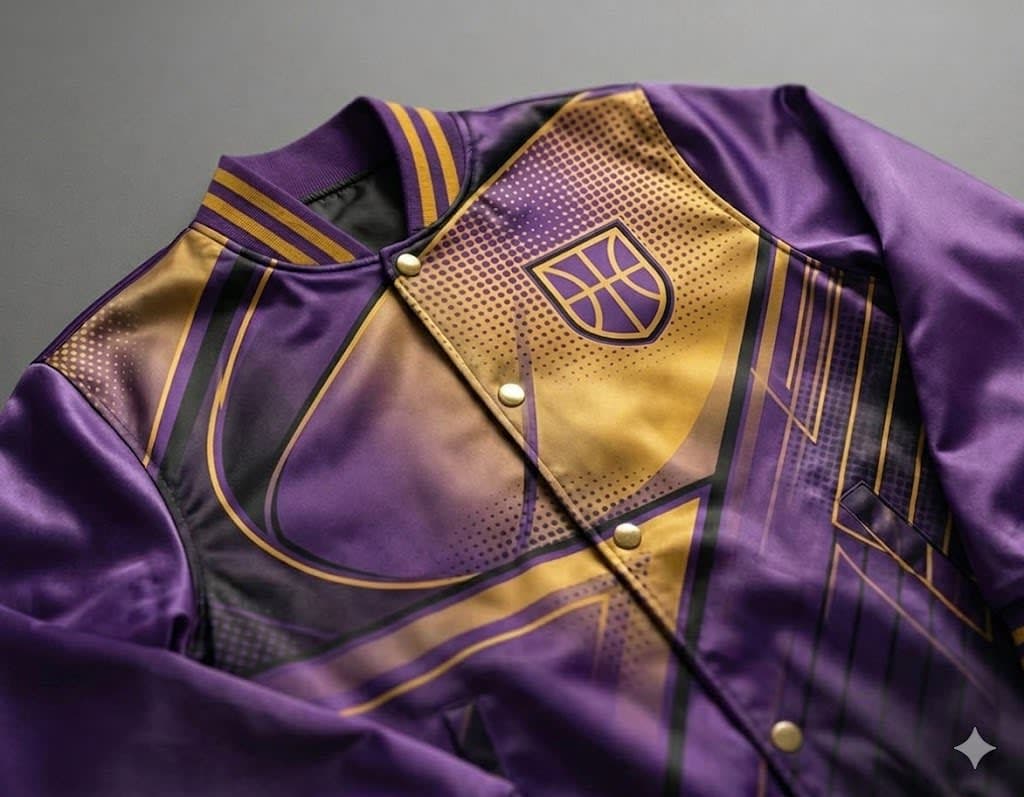
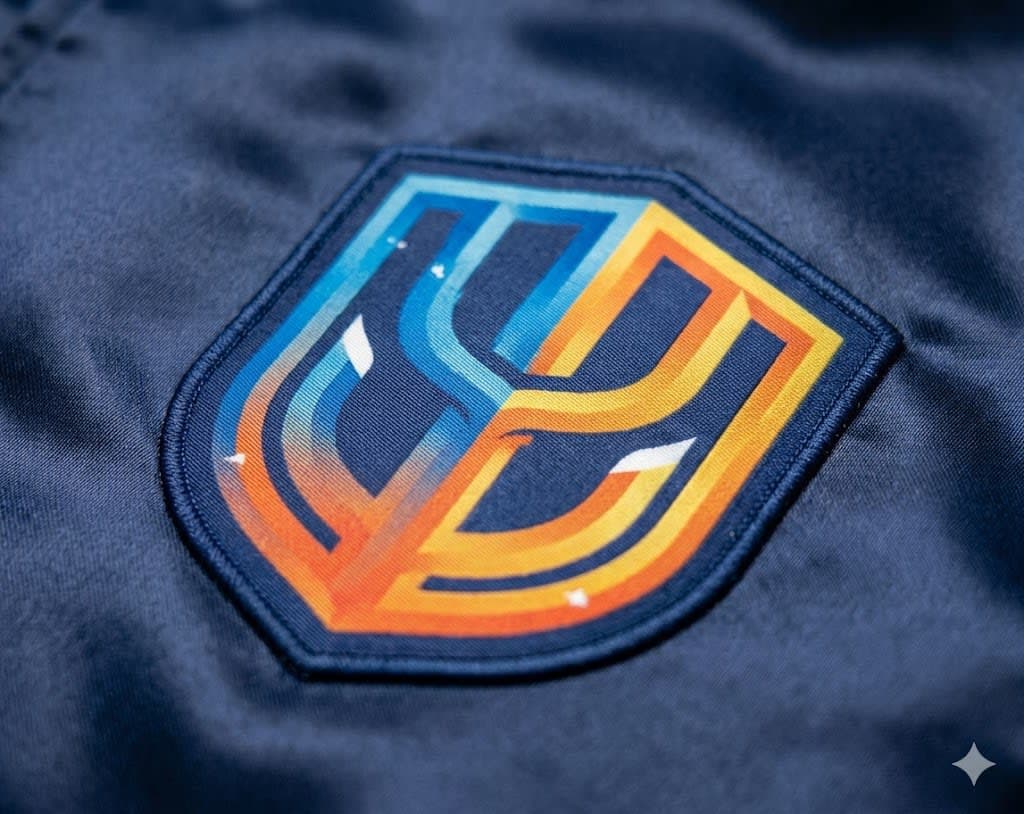
Sublimation uses heat to dye ink into polyester. The print feels smooth and is great for custom linings and colorful patterns.
How Sublimation Works
We use high heat to push colored dye into the fibers so the design becomes part of the fabric.
Care
Sublimation does not crack. Wash cold and avoid bleach to keep colors bright.
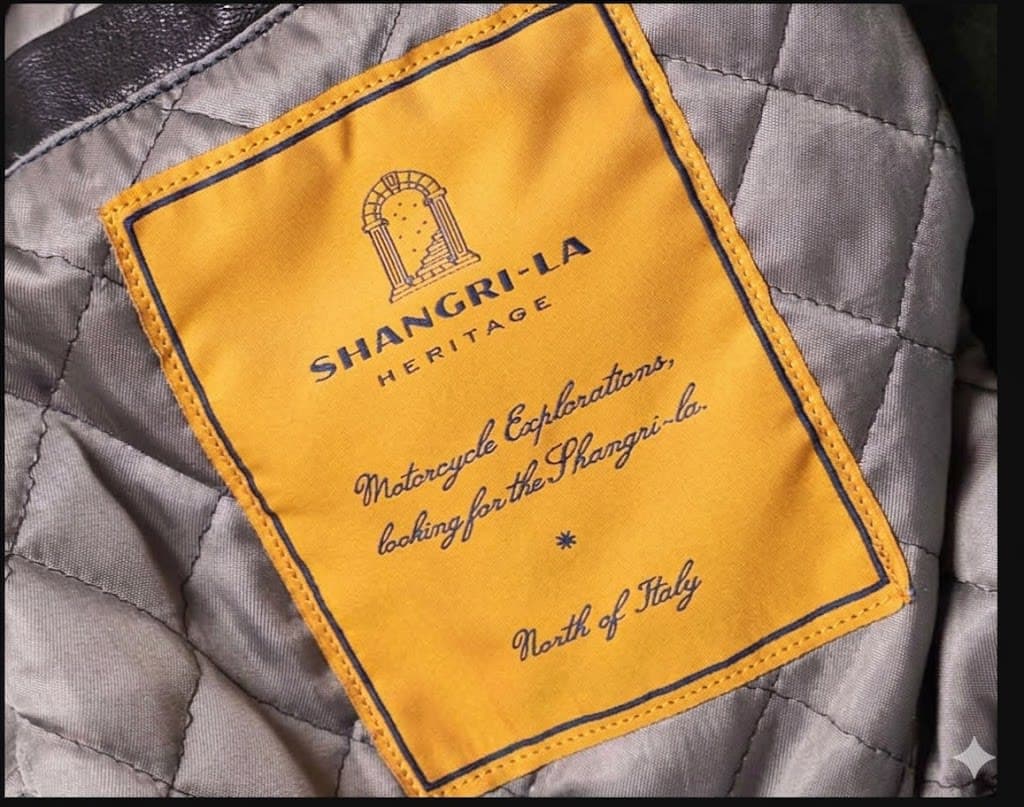
Custom Woven Labels
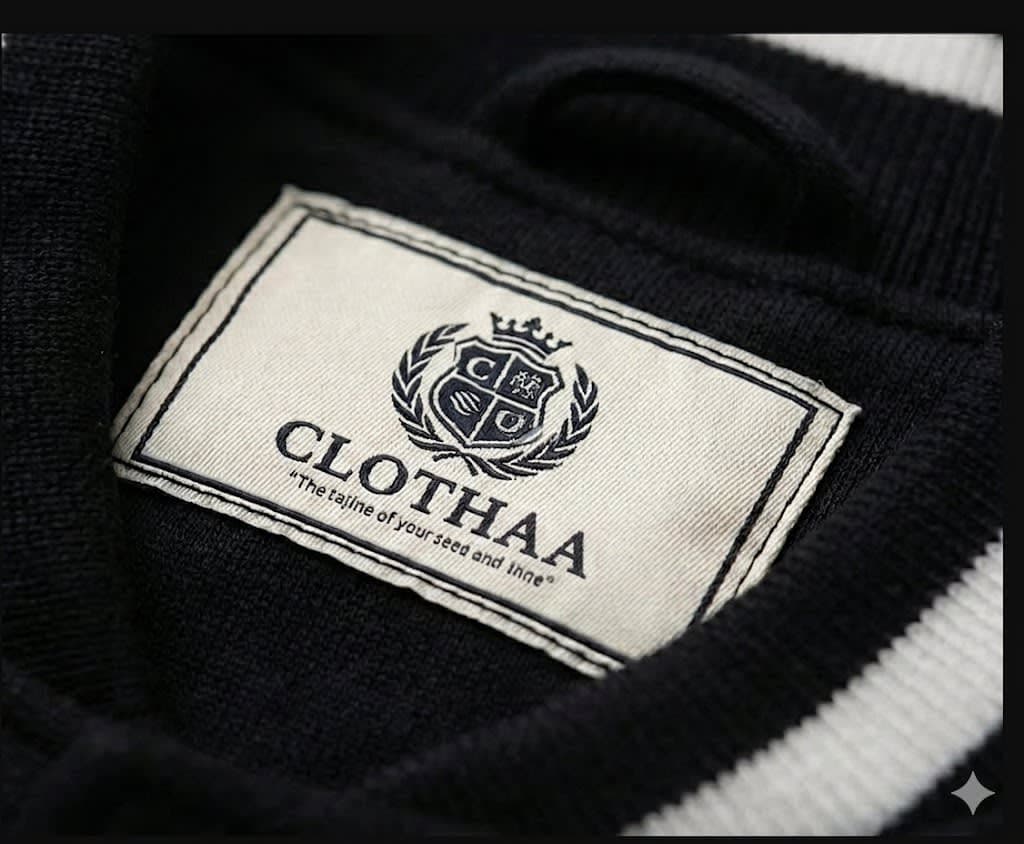
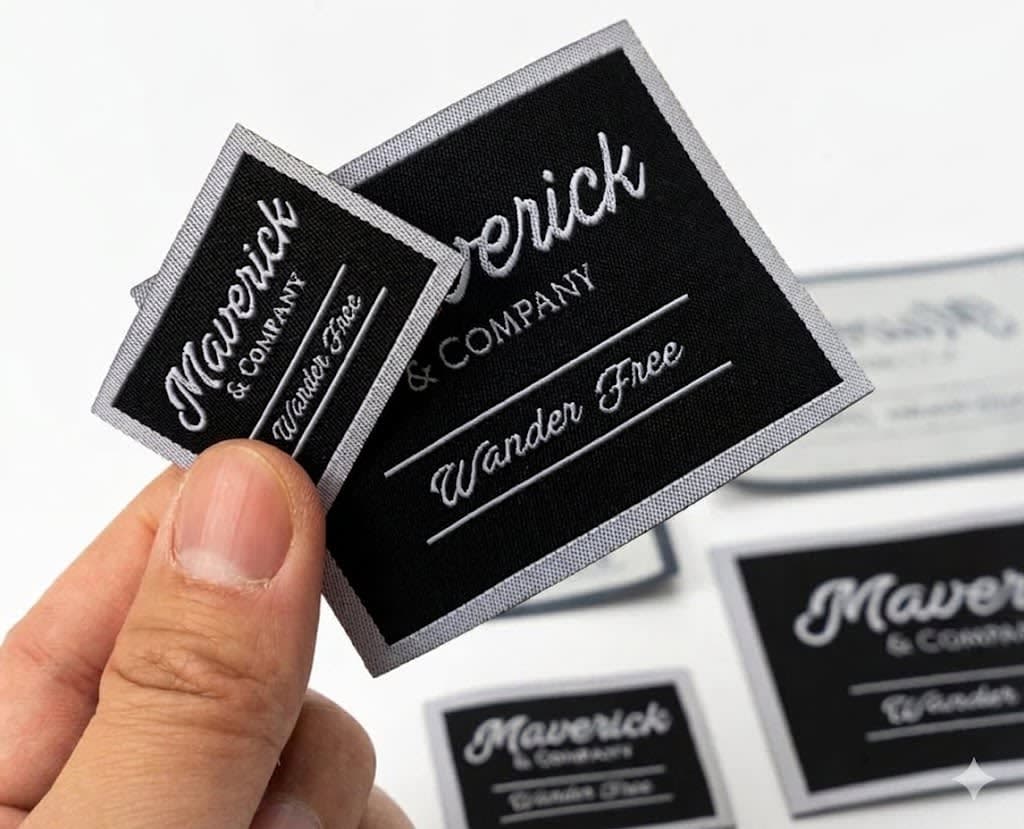
Woven labels are small tags sewn inside the neck, hem, or lining. They are useful for team, school, and brand orders.
How Labels Are Made
We weave the tag art with tiny yarn, cut the edges, and sew the label into the jacket during production.
Care
Woven labels do not fade. Wash cold and avoid intense heat.
Patches & Embroidery FAQ
Quick answers for choosing patch types, sleeve details, small logos, labels, and mixed decoration methods.
Ready to add patches or embroidery?
Pick your jacket, choose the decoration method, and send us artwork for a proof before production.